
Finding a dessert that feels truly satisfying while supporting a low-carb lifestyle can sometimes be difficult. Traditional cakes are usually made with wheat flour, refined sugar, and other ingredients that can quickly increase the carbohydrate content of a dessert. For people following a ketogenic or low-carb eating plan, this often means giving up many familiar baked treats or searching for alternatives that do not always deliver the same enjoyable texture and flavor.
Keto cloud cake offers a delicious solution. With its soft crumb, light texture, buttery richness, and gentle vanilla flavor, this cake provides the feeling of an indulgent homemade dessert while using ingredients better suited to a low-carb lifestyle. The finished cake is moist, tender, and pleasantly airy, making it a suitable choice for birthdays, family gatherings, special occasions, or a simple dessert enjoyed with coffee or tea. Instead of feeling like a compromise, a well-made keto cake can become a dessert that everyone at the table enjoys.
A Different Approach to Low-Carb Baking
Keto baking requires a different approach because traditional flour and sugar play several roles beyond simply adding flavor. Wheat flour provides structure, while sugar contributes sweetness, moisture, browning, and texture. Once these ingredients are removed, the recipe needs alternative components that can work together to create a stable and enjoyable cake. This is why simply replacing regular flour with a low-carb flour rarely produces the same results. Alternative ingredients absorb moisture differently, react differently to heat, and may require additional eggs, fats, or dairy products to create the desired texture.
Many disappointing low-carb cakes become dry, dense, crumbly, or overly heavy because the ingredients are not properly balanced. A successful keto cloud cake depends on combining ingredients that each contribute something important. Almond flour helps create richness and tenderness, while coconut flour adds structure and absorbs excess moisture. Eggs provide support and help trap air in the batter, while Greek yogurt contributes moisture and softness. Butter adds richness and helps produce a pleasant crumb. When these ingredients are measured carefully and mixed using the right technique, they can create a cake with a light and delicate texture instead of the dense consistency sometimes associated with low-carb desserts.
Why This Keto Cloud Cake Has a Light Texture
The cloud-like quality of this cake comes from a combination of ingredients and mixing techniques. Air is one of the most important components of a light cake, even though it is not listed as an ingredient. When softened butter is beaten with powdered erythritol, small pockets of air become incorporated into the mixture. These air pockets help create a lighter structure as the cake bakes. The eggs also contribute to the airy texture, especially when they are added gradually and mixed thoroughly into the creamed butter.
During baking, the air already trapped in the batter expands. Baking powder also produces gas, helping the cake rise further. At the same time, moisture from ingredients such as Greek yogurt and eggs creates steam, which contributes to the soft and tender texture. The result is a cake that feels lighter than many traditional low-carb cakes while still having enough structure to slice and serve easily.
For the best results, it is important not to rush the mixing process. Properly creaming the butter and sweetener can make a noticeable difference in the final texture. The mixture should become lighter and fluffy before the eggs are added. Once the dry ingredients are incorporated, however, excessive mixing should be avoided. The goal is to combine everything evenly without working the batter longer than necessary.
The Importance of Greek Yogurt
Greek yogurt is one of the ingredients that helps this keto cake remain moist and tender. Low-carb flours, particularly coconut flour, can absorb a considerable amount of moisture. Without enough liquid and fat in the recipe, the finished cake may become dry or crumbly. Greek yogurt helps prevent this problem by adding creaminess and moisture to the batter.
The slight tang of plain Greek yogurt also helps balance the sweetness and richness of the cake. This creates a more rounded flavor instead of a dessert that tastes overly sweet or flat. The yogurt works particularly well with vanilla and butter, giving the cake a subtle bakery-style flavor that feels comforting and familiar.
For a dairy-free version, plain unsweetened coconut yogurt may be used when suitable for the recipe. It provides moisture and creaminess while offering a slightly different flavor. Whichever option is chosen, it is best to use an unsweetened variety so that unnecessary sugars or additional flavors do not affect the final result.
Choosing the Right Low-Carb Sweetener
Sweetener selection can strongly influence the texture of a keto dessert. Powdered erythritol is particularly useful in cakes because it blends more smoothly into the batter than larger crystals. Granulated sweeteners can sometimes remain slightly noticeable after baking, creating a grainy texture that takes away from the soft and delicate crumb.
Powdered erythritol distributes sweetness more evenly and works especially well when creamed with softened butter. The fine texture helps create a smoother batter and a more refined finished cake. Depending on personal preference, some bakers may use powdered low-carb sweetener blends designed to replace sugar in baking. The exact sweetness can vary between products, so checking the manufacturer’s conversion recommendations can be helpful.
The goal is to create a dessert that tastes pleasantly sweet without becoming overwhelming. Vanilla, butter, yogurt, and a small amount of salt all help support the sweetness and create a more balanced flavor. This combination allows the cake to taste complete rather than relying entirely on a large quantity of sweetener.
Why Almond Flour and Coconut Flour Work Well Together
One of the most useful techniques in low-carb baking is combining different flours rather than depending entirely on one. Almond flour and coconut flour have very different characteristics, and each brings something valuable to the cake.
Fine almond flour creates a soft and rich texture. Because it naturally contains fat, it contributes to a moist crumb and helps the cake feel satisfying. However, almond flour alone may not always provide enough structure for a very light cake. Coconut flour is much more absorbent and can help create stability, but using too much can quickly make a recipe dry.
Combining the two allows their strengths to complement each other. Almond flour contributes tenderness and richness, while a carefully measured amount of coconut flour helps absorb moisture and support the cake’s structure. Because coconut flour is so absorbent, it should be measured accurately. Adding even a small amount too much can significantly change the consistency of the batter and lead to a dry result.
For the smoothest texture, fine almond flour is generally preferred over coarse almond meal. A finely ground flour produces a more delicate crumb and allows the ingredients to blend more evenly.
Butter and Eggs Create Richness and Structure
Unsalted butter gives this keto cloud cake much of its rich flavor and satisfying mouthfeel. Softened butter is easier to cream with powdered sweetener, allowing air to become incorporated into the mixture. This simple step contributes to the lightness of the finished cake while the butter itself provides moisture and richness.
Using unsalted butter also allows the amount of salt in the recipe to be controlled more precisely. A small amount of salt may seem insignificant, but it plays an important role in balancing sweetness and enhancing the overall flavor of the dessert.
Eggs are equally important. In low-carb baking, they often provide much of the structure that wheat flour would normally help create. Egg proteins set as the cake bakes, helping the batter hold its shape. Eggs also contain components that help emulsify fat and liquid, producing a smoother batter. The yolks add richness, while the whites contribute to structure and lift.
Room-temperature eggs generally blend more smoothly into the butter mixture than cold eggs. Adding them one at a time also helps maintain a smooth and well-emulsified batter. Each egg should be incorporated before the next one is added.
Preparing the Oven and Cake Pan
Preparation before mixing the ingredients can make the baking process much easier. The oven should be fully preheated to 360°F before the cake goes inside. A properly heated oven allows the baking powder and trapped air to begin working at the right time, supporting an even rise.
A 22-centimeter cake pan lined with parchment paper helps prevent sticking and makes the finished cake easier to remove. The parchment is especially useful with delicate cakes because it reduces the risk of tearing when transferring the cooled cake from the pan.
It is also helpful to prepare all ingredients before beginning. Measuring the almond flour, coconut flour, baking powder, and salt in advance allows the mixing process to move smoothly. Butter, eggs, and yogurt should ideally be brought closer to room temperature so they combine more easily.
Mixing the Batter for the Best Results
The mixing process begins by beating softened butter with powdered erythritol. This step should continue until the mixture looks lighter in color and noticeably fluffy. The goal is to incorporate air and create a smooth base for the batter.
The eggs can then be added one at a time. Each egg should be mixed into the butter mixture before adding another. This gradual method helps create a smooth consistency and reduces the chance of the batter separating.
In a separate bowl, whisk together the almond flour, coconut flour, baking powder, and salt. Mixing these dry ingredients first helps distribute the baking powder evenly throughout the flour. This supports a more consistent rise during baking.
The dry ingredients and Greek yogurt can then be added gradually to the wet mixture. Alternating between the flour mixture and yogurt helps the batter come together evenly. Once the batter is smooth and there are no visible dry pockets, mixing should stop. There is no need to continue beating the batter once everything has been combined.
The finished batter may be thicker than a traditional wheat-flour cake batter, which is normal because coconut flour absorbs moisture. Transfer it to the prepared pan and gently spread the surface so the batter is distributed evenly.
Baking the Keto Cloud Cake
Bake the cake at 360°F for approximately 35 to 40 minutes. Baking time can vary depending on the oven, the type of pan, and the exact temperature accuracy of the appliance, so checking the cake near the end of the suggested baking period is useful.
The top should become lightly golden, and the center should feel gently springy when touched. A toothpick inserted into the middle should come out clean or with a few moist crumbs rather than wet batter.
Avoid opening the oven repeatedly during the early stage of baking because sudden temperature changes can affect the rise of delicate cakes. Once the cake is nearly finished, checking for doneness becomes more important than following the clock exactly.
If the top begins to brown more quickly than desired while the center still needs additional baking time, the pan can be loosely covered with foil for the remaining baking period.
Cooling and Serving
Allowing the cake to cool properly is an important part of the process. The internal structure continues to settle as the cake cools, and cutting it too early may cause the slices to break apart. Leaving it in the pan for a short period before carefully transferring it can help preserve its shape.
Once completely cooled, the keto cloud cake can be served as it is or paired with low-carb toppings. A light dusting of powdered keto-friendly sweetener can create a simple presentation. Unsweetened whipped cream, fresh berries in moderation, or a sugar-free cream topping can also complement the gentle vanilla and buttery flavor.
Because the cake has a soft and delicate texture, a sharp knife works best for clean slices. Wiping the knife between cuts can also help create a neater presentation.
Helpful Tips for Consistent Results
Accurate measurements are particularly important when working with coconut flour. Unlike wheat flour, it cannot usually be added casually or adjusted in large amounts without changing the final texture. Leveling dry measuring cups carefully or using a kitchen scale can improve consistency.
Fine almond flour also helps produce the best crumb. Coarse almond meal may create a heavier texture and a more noticeable graininess. If possible, choose almond flour labeled as finely ground.
Room-temperature ingredients can improve the texture of the batter. Softened butter creams more effectively, while eggs and yogurt blend more smoothly. Butter should be soft enough to mix easily but should not be melted, as melted butter will not trap air in the same way.
Finally, avoid overmixing once the dry ingredients have been added. Mix only until the batter is evenly combined. This helps maintain the tender texture that makes the cake feel light and soft.
Storage and Make-Ahead Options
Keto cloud cake can be stored in an airtight container in the refrigerator for several days. Chilling the cake can help it become firmer and easier to slice while preserving its moisture.
For longer storage, individual slices can be wrapped and frozen. This makes it convenient to keep portions available for future desserts or snacks. Allow frozen slices to thaw naturally at room temperature for the best texture.
A make-ahead cake can also be useful for birthdays, family meals, or other occasions where dessert preparation needs to be completed in advance. Adding fresh toppings shortly before serving helps maintain the best appearance and texture.
A Flexible Dessert for Low-Carb Lifestyles
One of the appealing features of keto cloud cake is its versatility. The naturally gluten-free combination of almond and coconut flour makes it suitable for people who avoid wheat-based desserts. The recipe can also be adapted with dairy-free yogurt when needed.
The flavor can be changed with different extracts, although vanilla provides a classic and balanced starting point. A small amount of lemon or almond extract can create a different variation, while low-carb toppings can make the same basic cake suitable for different occasions.
The recipe can be kept simple for an everyday dessert or dressed up with a keto-friendly frosting for celebrations. Its soft texture and neutral vanilla profile provide a flexible base without requiring complicated techniques or unusual preparation methods.
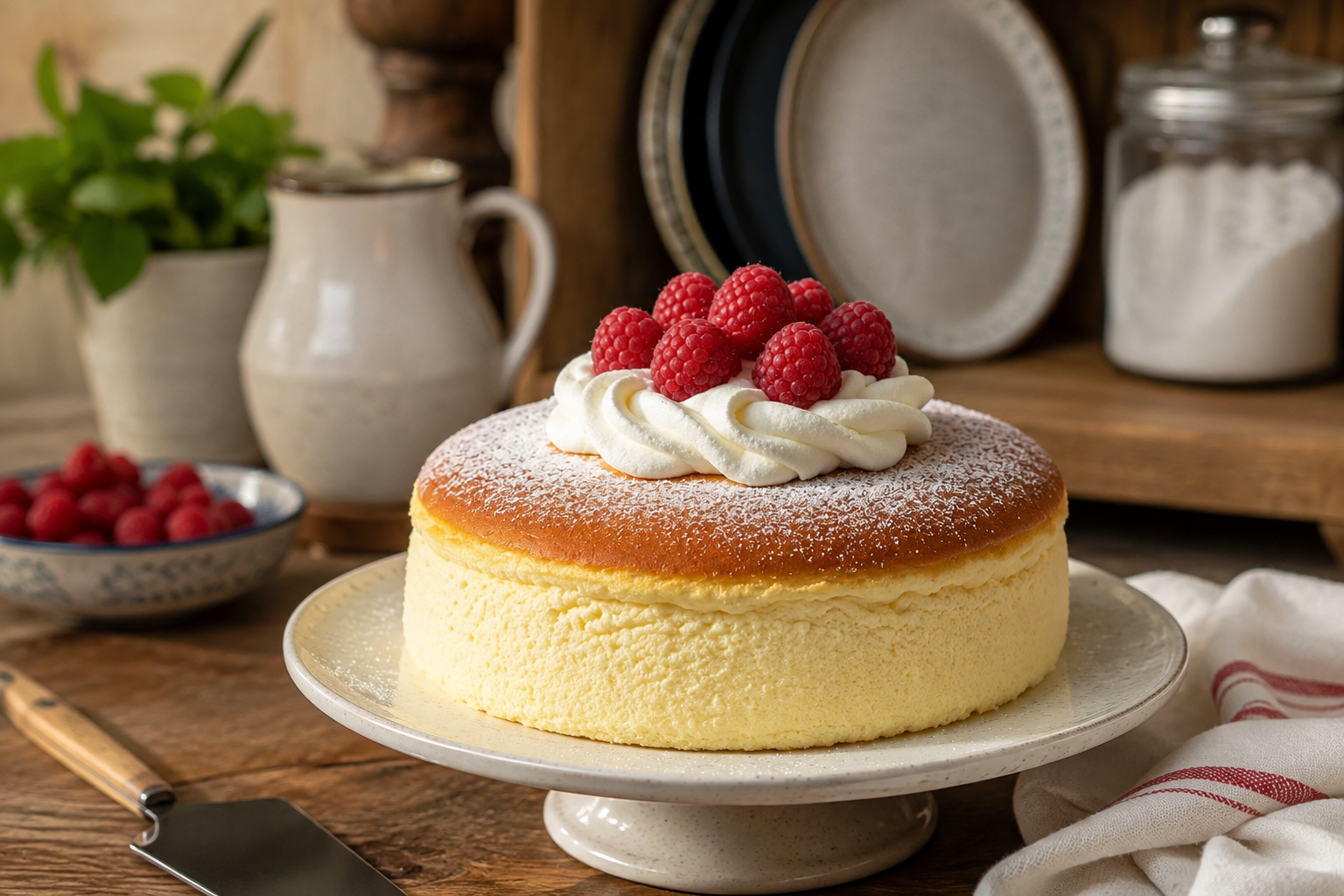
Keto Cloud Cake
Bake a light, fluffy keto cloud cake that tastes like bakery-quality dessert without the sugar and excess carbohydrates.
10
servings15
minutes40
minutes330
kcal55
minutesIngredients
1 cup plain Greek yogurt or coconut yogurt
1½ cups powdered erythritol
1½ cups unsalted butter, softened
½ cup almond flour
1¼ cups coconut flour
1 teaspoon sugar-free vanilla extract
A pinch of salt
16g baking powder
5 large eggs
Directions
- Preheat the oven to 360°F.
- Line a 22cm cake pan with parchment paper.
- In a large bowl, beat together softened butter and powdered erythritol until smooth and creamy.
- Add the eggs gradually while mixing continuously.
- In another bowl, combine coconut flour, almond flour, baking powder, and salt.
- Add the dry ingredients into the wet mixture alternately with the yogurt.
- Mix until fully combined and smooth.
- Stir in the vanilla extract.
- Pour the batter into the prepared cake pan and smooth the top evenly.
- Bake for 35–40 minutes or until a toothpick inserted into the center comes out clean.
- Allow the cake to cool completely at room temperature before slicing.
- Serve and enjoy.
Notes
- Use room-temperature ingredients for best texture.
- Avoid overbaking to keep the cake moist and fluffy.
- Store leftovers in the refrigerator for freshness.
- Top with keto whipped cream or berries if desired.
Nutrition Facts
- Calories: 330kcal
- Fat: 32g
- Carbohydrates: 5g
- Protein: 6g
