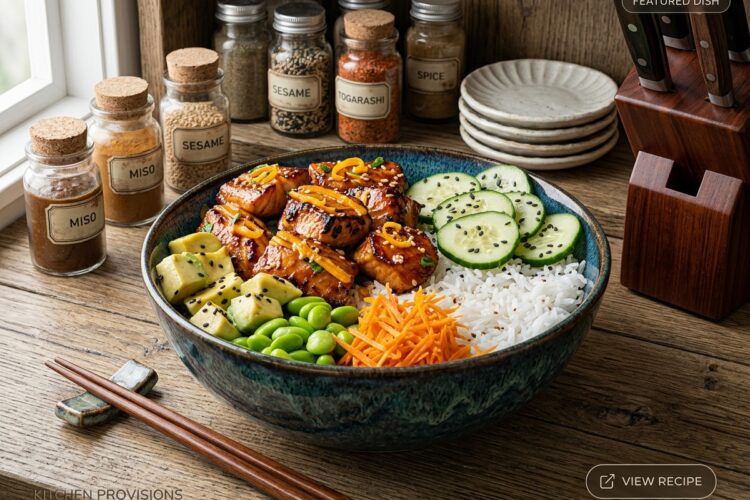
This easy one-pot salmon rice recipe combines flaky salmon, fluffy jasmine rice, tender asparagus, lemon, and a simple Dijon dill sauce in one saucepan. It is designed for meal prep and takes about 30 minutes from start to finish. The salmon cooks gently on top of the rice, allowing the flavors from the fish, broth, lemon, and vegetables to come together in one satisfying meal.
Why Make Salmon and Rice in One Pot
Cooking salmon and rice together keeps the process simple and reduces the number of dishes you need to wash. The rice absorbs the chicken broth as it cooks, while the salmon steams gently above it. This method helps the salmon stay moist and flaky while the rice develops a savory flavor. It is a useful option when you want a high-protein meal without complicated preparation.
Ingredients for Salmon Rice
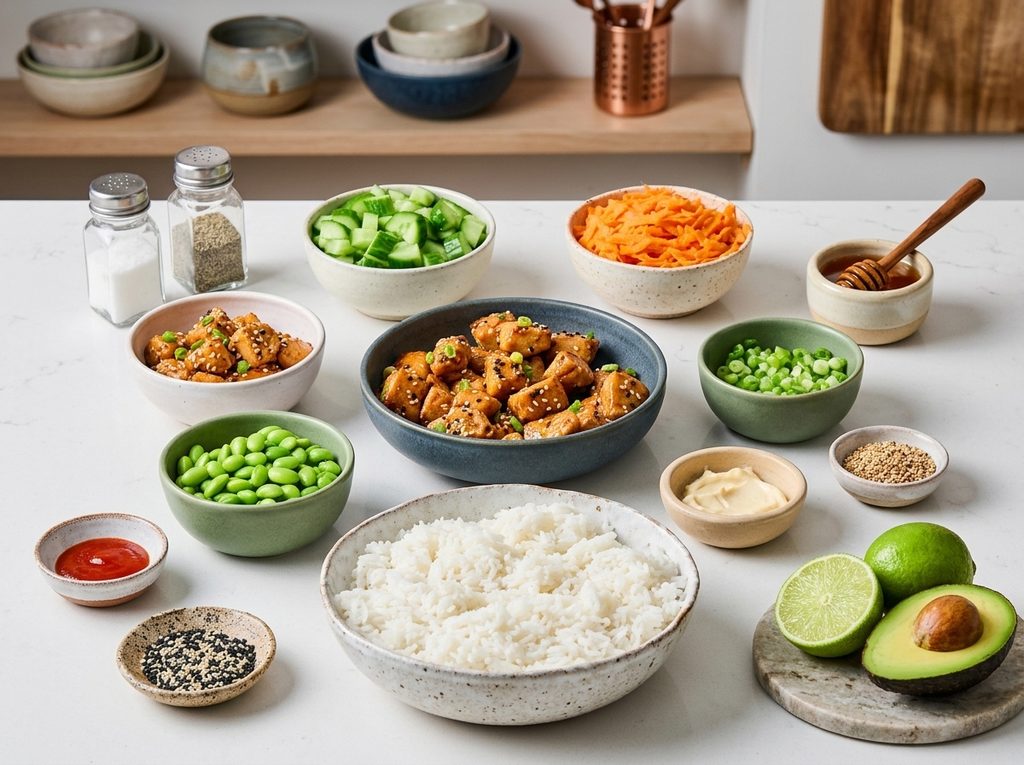
The recipe uses jasmine rice, no-salt-added chicken broth, salmon fillet, lemon zest, olive oil, asparagus, dried dill, Dijon mustard, and lemon juice. Sea salt and black pepper season the salmon before cooking. The ingredient list is short, but each ingredient has a clear purpose. The lemon brightens the salmon, while dill and Dijon mustard create a fresh, tangy sauce.
Choosing the Salmon
Use a 12-ounce salmon fillet with the skin removed. Patting the salmon dry before seasoning is important because it helps the salt, pepper, olive oil, and lemon zest stick to the surface. A single fillet can be cooked directly over the rice, making this recipe especially convenient. The salmon should reach an internal temperature of 145°F before serving.
Seasoning the Salmon
Seasoning the salmon before cooking is an important part of this recipe. Pat the fillet dry with paper towels, then season both sides generously with sea salt and black pepper. Drizzle the salmon with olive oil and sprinkle lemon zest over it. Let the seasoned salmon rest for 10 to 15 minutes so the flavor can work into the fish.
Why Let the Salmon Rest Before Cooking
Allowing the seasoned salmon to sit for a short time gives the seasoning an opportunity to settle into the surface. Bringing the salmon closer to room temperature also helps it cook more evenly. This short resting period does not require any complicated preparation. Simply leave the seasoned fillet aside while you begin preparing the rice.
Preparing the Jasmine Rice
Add 1 cup of jasmine rice and 1.25 cups of no-salt-added chicken broth to a medium saucepan with a tight-fitting lid. Bring the mixture to a boil over medium-high heat. Once boiling, cover the saucepan and reduce the heat to low. Let the rice simmer until the liquid level is just above the rice, which should take about 8 to 10 minutes.
Why Chicken Broth Works Well
Chicken broth gives the rice more flavor than plain water while keeping the recipe simple. The no-salt-added broth also allows you to control the amount of salt added to the dish. As the rice cooks, it absorbs the broth and develops a savory base. This becomes the foundation for the salmon, asparagus, and lemon-Dijon sauce added later.
Adding the Salmon and Vegetables
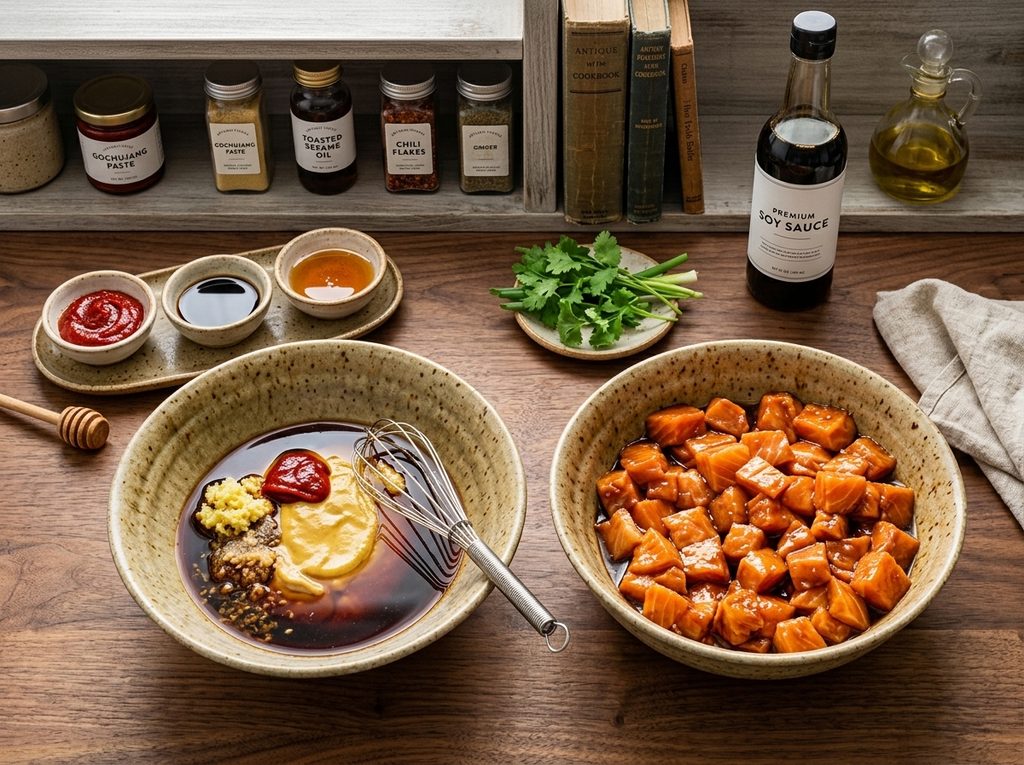
Once the rice has reached the correct stage, gently place the seasoned salmon fillet on top. Scatter 1 cup of chopped raw asparagus around the salmon. You can use preferred vegetables as indicated in the original ingredient list, but asparagus gives the dish a fresh texture and mild flavor. Cover the saucepan tightly so the steam remains inside.
Steaming the Salmon Over Rice
Keep the heat low and continue cooking the covered saucepan for about 10 to 12 minutes. The trapped steam cooks the salmon gently while the rice continues becoming tender and plump. Avoid lifting the lid repeatedly because escaping steam can affect the cooking process. Keep the pan covered and check the salmon near the end of the cooking time.
Checking When the Salmon Is Done
The salmon should be fully cooked and flake easily when tested with a fork. For food safety, check that the thickest part reaches an internal temperature of 145°F. If it has not reached that temperature, cover the saucepan again and allow it to continue steaming. Cooking time can vary slightly depending on the thickness of the salmon fillet and the heat of your stove.
Cooking the Asparagus
The asparagus cooks alongside the salmon and rice, which keeps the preparation easy. Chopping it into smaller pieces helps it soften during the steaming stage. It should become tender while retaining some texture. If you prefer another vegetable, the original recipe allows preferred vegetables in place of asparagus, but the listed amount is 1 cup.
Making the Dijon Dill Sauce
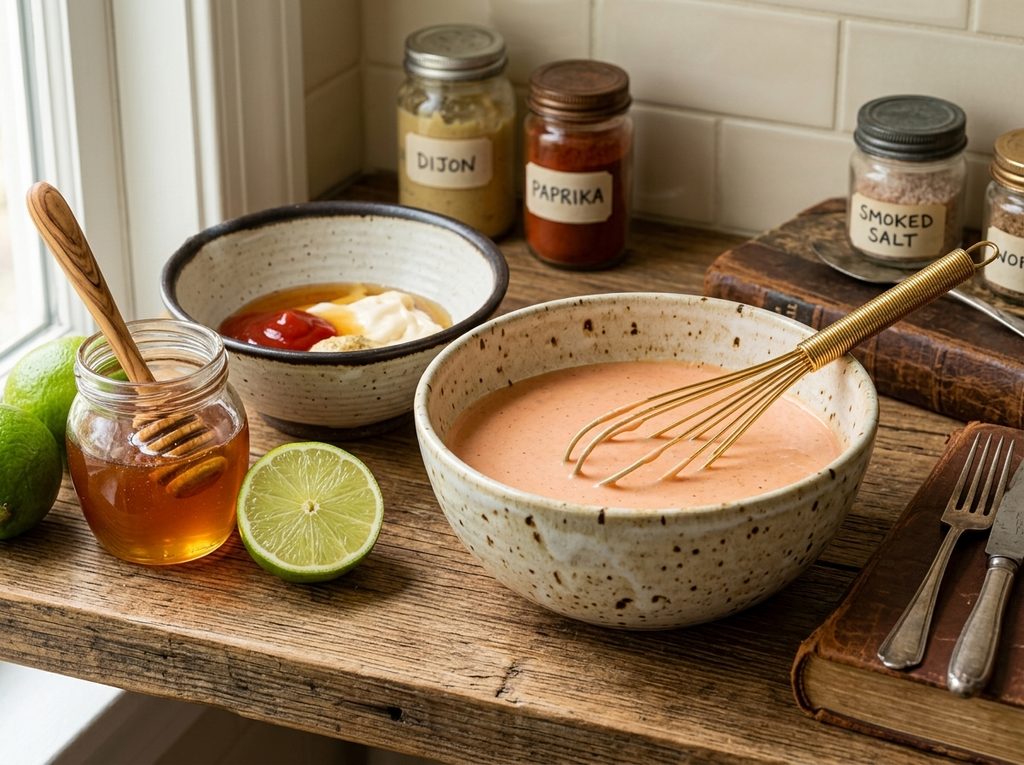
While the salmon and rice finish cooking, prepare the sauce in a small bowl. Whisk together 2 teaspoons of dried dill, 2 tablespoons of Dijon mustard, 0.25 cup of no-salt-added chicken broth, and the juice of 1/2 lemon. Mix until the ingredients are evenly combined. The sauce adds a bright, tangy flavor that balances the rich salmon and savory rice.
Why Lemon and Dill Pair With Salmon
Lemon and dill are natural partners for salmon because both add freshness to the rich fish. Lemon juice gives the sauce a sharp, bright flavor, while dried dill contributes a mild herbal taste. Dijon mustard adds tanginess and helps bring the sauce together. The combination is simple but gives the finished salmon rice a distinct flavor without requiring many ingredients.
Resting the One-Pot Meal
After the salmon, rice, and vegetables finish cooking, remove the saucepan from the heat. Keep the lid in place and let everything rest for 5 to 10 minutes. This allows the rice to settle and gives the salmon time to finish gently cooking from the retained heat. Keeping the pan covered during this stage helps maintain moisture.
Flaking the Salmon
After the resting period, remove the lid and gently break the salmon into bite-sized pieces with a fork. You do not need to shred it into very small pieces. Larger flakes give the finished meal a better texture and allow the salmon to remain noticeable throughout the rice. Work gently so the rice does not become mashed while combining the ingredients.
Combining the Sauce
Pour the prepared Dijon dill mixture over the salmon, rice, and vegetables. Gently fold everything together until the sauce is distributed throughout the dish. If the mixture looks too thick or dry, add a tablespoon of chicken broth or water at a time until you reach the desired consistency. Avoid adding too much liquid at once.
Keeping the Rice Fluffy
Jasmine rice can become sticky if it is stirred too aggressively after cooking. For this reason, fold the salmon and sauce into the rice gently rather than vigorously mixing everything. The goal is to distribute the ingredients while keeping the rice grains as intact as possible. The final texture should be moist and flavorful without becoming watery.
Salmon Rice for Meal Prep
This one-pot salmon rice recipe is especially convenient for meal prep because it naturally makes two portions. Divide the finished meal evenly between two meal prep containers. Using a food scale can help you create portions that are similar in size. The containers can then be stored according to your normal food-storage routine and reheated when needed.
Sodium and Meal Preparation
Each serving contains approximately 610 milligrams of sodium according to the supplied nutrition information. Using no-salt-added chicken broth allows greater control over the overall sodium level. Sea salt is added according to taste when seasoning the salmon. If you are monitoring sodium, check the nutrition label of the specific broth, Dijon mustard, and other packaged ingredients you use.
Making the Recipe in Advance
The meal can be cooked as a complete batch and divided into two portions. This makes it useful when you want a prepared protein-rich meal ready for later. Prepare the salmon, rice, vegetables, and sauce as directed, then portion the finished dish into containers. Allow the meal to cool appropriately before placing it into storage.
Reheating Meal Prep Salmon Rice
When reheating the prepared salmon rice, warm it gently rather than overheating it. Salmon can become dry when reheated too aggressively, so use a moderate setting and check the food as it warms. If the rice seems dry, a small amount of water or broth can help restore moisture. Stir gently after reheating to keep the salmon pieces intact.
Keeping the Salmon Moist
The cooking method is designed to keep the salmon moist by steaming it over the rice. Keeping the lid tightly closed helps retain steam throughout the cooking process. Avoid cooking the salmon much longer than necessary after it reaches 145°F. Overcooking can make the fish firmer and drier than intended.
Using Other Vegetables
The chopped raw asparagus or preferred vegetables. If you choose another vegetable, consider one that cooks in a similar amount of time. The vegetable should be chopped into manageable pieces so it can steam alongside the salmon. Keeping the quantity at about 1 cup maintains the intended balance between rice, salmon, and vegetables.
Getting the Best Lemon Flavor
Lemon is used in two ways in this recipe. Lemon zest is added directly to the seasoned salmon, giving the fish a fresh citrus aroma. Lemon juice is whisked into the Dijon dill sauce, creating a bright flavor throughout the finished dish. You can use more lemon juice to taste, as specified in the original recipe.
Using Dijon Mustard
Two tablespoons of Dijon mustard provide the main tangy element in the sauce. It works with the lemon juice and dill to create a simple dressing for the salmon and rice. Whisking the mustard with broth before adding the lemon juice helps create an evenly mixed sauce. Pour it over the cooked meal only after the resting period.
Helpful Preparation Tips
Pat the salmon dry before seasoning, and allow it to rest for 10 to 15 minutes. Keep the saucepan covered while the salmon steams so the heat remains inside. Check the fish with a thermometer rather than relying only on appearance. Let the cooked meal rest for 5 to 10 minutes before flaking the salmon and adding the sauce.
Common Questions
The salmon should be placed on top of the partially cooked rice rather than mixed into the rice from the beginning. This allows the fish to steam gently while the rice continues cooking underneath. The asparagus is placed around the salmon so it can cook in the same steam. Keeping the ingredients layered makes this one-pot method work efficiently.
Can You Use Another Type of Rice?
The supplied recipe specifically calls for jasmine rice, so the ingredient should remain unchanged when following the original recipe. Different types of rice absorb liquid at different rates and may require different cooking times. Using jasmine rice as listed gives you the intended texture and keeps the recipe closer to the provided cooking instructions.
Can You Prepare the Sauce Early?
The Dijon dill sauce can be whisked together while the salmon and rice are cooking, which is already built into the recipe instructions. It only takes a moment to combine the dried dill, Dijon mustard, chicken broth, and lemon juice. Keeping it ready means you can add it immediately after the cooked salmon has rested and been flaked.
How to Serve Salmon Rice
This salmon rice meal can be served immediately after the sauce has been folded through the rice and vegetables. For meal prep, divide it into two containers instead. The dish already contains protein, rice, and vegetables, so it works as a complete meal without requiring additional side dishes. Extra lemon juice can be used if you prefer a brighter flavor.
High Protein Salmon Rice Bowl
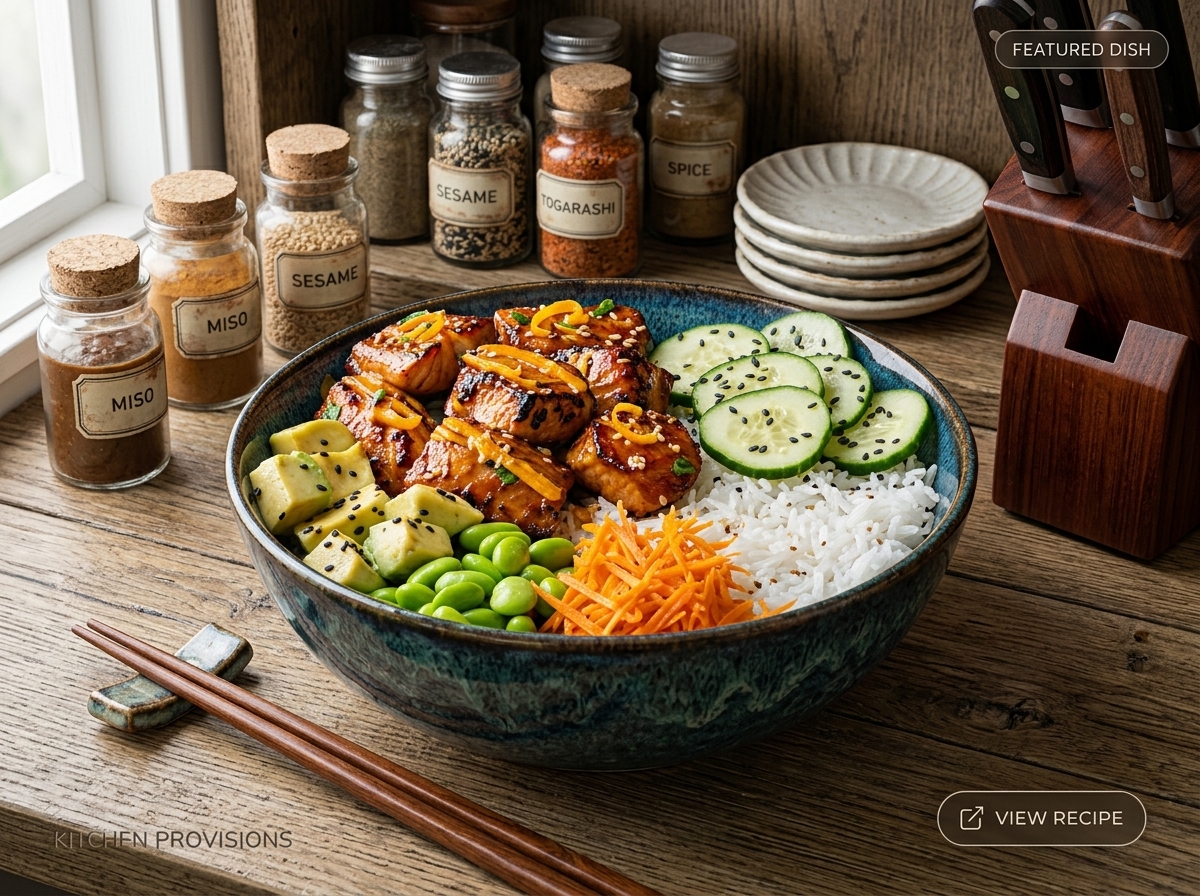
A simple one-pot salmon rice meal made with jasmine rice, flaky salmon, asparagus, lemon, and a Dijon dill sauce. It takes 30 minutes from start to finish and makes two high-protein meal prep portions.
2
servings10
minutes20
minutes440
kcal30
minutesIngredients
- Rice Base:
1 cup jasmine rice
1.25 cups no-salt-added chicken broth
- Salmon & Vegetables:
12 oz salmon fillet, skin removed
Zest of 1 lemon
Sea salt and black pepper, to taste
1 tablespoon olive oil
1 cup chopped raw asparagus (or preferred vegetables)
- Sauce:
2 teaspoons dried dill
2 tablespoons Dijon mustard
0.25 cup no-salt-added chicken broth
Juice of 1/2 lemon, or more to taste
Directions
- Pat the salmon dry, then season both sides with sea salt and black pepper. Drizzle with olive oil and sprinkle with lemon zest. Let it rest for 10–15 minutes.
- Add jasmine rice and 1.25 cups chicken broth to a medium saucepan. Bring to a boil, cover, reduce heat to low, and simmer for about 8–10 minutes.
- Place the seasoned salmon on top of the rice and scatter the chopped asparagus around it. Cover the saucepan tightly.
- Cook over low heat for 10–12 minutes, until the salmon flakes easily and reaches 145°F and the rice is tender. Remove from heat and let it rest, covered, for 5–10 minutes.
- Whisk together dried dill, Dijon mustard, remaining chicken broth, and lemon juice. Flake the salmon into bite-sized pieces, pour the sauce over the meal, and gently fold everything together. Add a tablespoon of broth or water if needed.
- Divide the salmon rice into two portions. Serve immediately or transfer to meal prep containers for storage.
Nutrition Facts
- Calories: 440kcal
- Fat: 17g
- Fiber: 4g
- Sugar: 2g
- Protein: 41g

