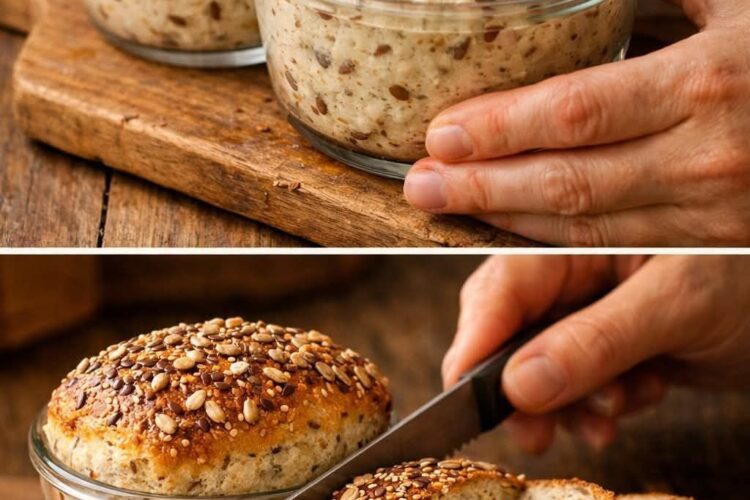
Looking for a healthy homemade bread that’s simple, filling, and made without flour or yeast? This 3-ingredient flaxseed bread is a nutritious alternative to traditional bread and is perfect for anyone following a low-carb, gluten-free, or high-fiber lifestyle.
Made with ground flaxseed, water, and your favorite seeds, this easy recipe creates a hearty loaf with a soft center and lightly crisp crust. It requires minimal preparation, no kneading, and no complicated baking techniques, making it ideal for beginners and experienced home cooks alike.
Whether you enjoy it for breakfast, as sandwich bread, or toasted with your favorite toppings, this flaxseed bread is a versatile recipe you’ll want to make again and again.
Why You’ll Love This Flaxseed Bread
This recipe has become popular because it combines simplicity with nutrition. Unlike traditional bread recipes that rely on flour, yeast, and long rising times, this loaf comes together with just a few pantry staples.
Key Benefits
- Naturally gluten-free
- Low in carbohydrates
- Rich in fiber
- No yeast required
- Easy to prepare
- Suitable for keto-friendly meal plans
- Great for meal prep and freezing
Flaxseed naturally thickens when mixed with water, creating a gel-like consistency that acts as a binder. This means you can make a satisfying loaf without eggs, flour, or complicated ingredients.
What Is Flaxseed Bread?
Flaxseed bread is a simple bread alternative made primarily from ground flaxseed meal instead of wheat flour. Because flaxseed is high in healthy fats and dietary fiber, the bread has a hearty texture and keeps you feeling full longer than regular bread.
This type of bread is especially popular among people looking for:
- Gluten-free bread recipes
- Low-carb alternatives
- Keto bread options
- High-fiber foods
- Simple homemade bread recipes
The flavor is mild and slightly nutty, making it suitable for both sweet and savory toppings.
Ingredients You Need
One of the best things about this recipe is how few ingredients are required.
Main Ingredients
2 Cups Ground Flaxseed
Ground flaxseed forms the base of the bread. It provides structure, fiber, and healthy omega-3 fats.
You can use:
- Golden flaxseed meal for a lighter color and milder flavor
- Brown flaxseed meal for a richer, earthier taste
Finely ground flaxseed works best for a smoother texture.
1 Cup Water
Water activates the flaxseed and helps create the dough consistency needed for baking.
¼ Cup Mixed Seeds (Optional)
Seeds add texture, crunch, and visual appeal.
Popular options include:
- Sesame seeds
- Sunflower seeds
- Pumpkin seeds
- Chia seeds
Optional Additions for Better Flavor
Although the basic recipe works well on its own, you can improve the flavor with a few simple additions.
Recommended Extras
- ½ teaspoon salt
- ½ teaspoon garlic powder
- Dried herbs
- Black pepper
- Chili flakes
- Cinnamon for a sweet version
These additions help customize the bread to suit your taste preferences.
Kitchen Tools You’ll Need
You don’t need special equipment for this recipe.
Basic Equipment
- Mixing bowl
- Spoon or spatula
- Small loaf pan or baking dish
- Parchment paper
- Oven
A small loaf pan around 6–7 inches works best for creating a thick loaf.
How to Make 3-Ingredient Flaxseed Bread
Step 1: Preheat the Oven
Set your oven to 350°F (175°C) and allow it to fully preheat before baking.
A properly heated oven helps the bread cook evenly and develop a lightly crisp crust.
Step 2: Mix the Ingredients
In a medium mixing bowl, combine:
- Ground flaxseed
- Water
Stir thoroughly until no dry spots remain.
At first, the mixture may appear loose, but flaxseed absorbs water quickly.
Step 3: Let the Mixture Rest
Allow the mixture to sit for about 5 minutes.
During this time, the flaxseed thickens naturally and forms a dough-like consistency. This step is important because it helps the bread hold together during baking.
If the dough seems:
- Too dry: add 1–2 tablespoons water
- Too wet: add a little extra flaxseed meal
Step 4: Prepare the Baking Pan
Line a small loaf pan or baking dish with parchment paper or lightly grease it.
Transfer the dough into the pan and spread evenly using a spoon or spatula.
If using toppings, sprinkle the seeds evenly over the top and gently press them into the surface.
Step 5: Bake the Bread
Place the pan on the center oven rack.
Bake for 40–45 minutes, or until:
- The top feels firm
- The edges begin pulling away slightly from the pan
- The loaf holds its shape
For a crispier crust, leave the bread in the oven for an additional 5 minutes.
Step 6: Cool Completely
Remove the bread from the oven and let it cool in the pan for 10–15 minutes.
Transfer it to a wire rack and allow it to cool fully before slicing.
Cooling helps improve the texture and prevents the bread from crumbling.
Texture and Flavor
This flaxseed bread has a unique texture compared to traditional wheat bread.
What to Expect
Inside
- Soft
- Moist
- Slightly dense
- Hearty
Outside
- Lightly crisp
- Crunchy from the seeds
Flavor
- Mild
- Nutty
- Earthy
Because the flavor is neutral, the bread works well with many different toppings and spreads.
Best Ways to Serve Flaxseed Bread
This bread is versatile enough for breakfast, lunch, snacks, or light dinners.
Savory Serving Ideas
- Toasted with butter or ghee
- Avocado toast
- Cream cheese spread
- Egg sandwiches
- Turkey or chicken sandwiches
- Served alongside soup or salad
Sweet Serving Ideas
- Peanut butter
- Almond butter
- Honey
- Jam or fruit spread
- Cinnamon and butter
Toasting the bread enhances the texture and flavor even more.
Flavor Variations
Garlic Herb Flax Bread
Add:
- ½ teaspoon garlic powder
- 1 teaspoon Italian herbs
This version pairs perfectly with soups and salads.
Sweet Cinnamon Bread
Add:
- ½ teaspoon cinnamon
- Sweetener or honey to taste
Great for breakfast or snacks.
Spicy Version
Add:
- Chili flakes
- Black pepper
- Ground cumin
Ideal for savory sandwiches.
Common Mistakes to Avoid
Even simple recipes can go wrong if certain steps are skipped.
Skipping the Resting Time
The flaxseed needs time to absorb water and bind properly.
Slicing Too Early
Warm bread may crumble. Always cool completely before cutting.
Using Coarse Flaxseed
Finely ground flaxseed creates a smoother and more even texture.
Overbaking
Too much baking time can dry out the bread.
Check the loaf around the 40-minute mark.
Storage Tips
One of the best things about flaxseed bread is how well it stores.
Room Temperature
Store in an airtight container for up to 5 days.
Refrigerator
Keeps fresh for about 1 week.
Freezer
Slice the bread before freezing for easier use later.
Frozen slices can be toasted directly without thawing.
Health Benefits of Flaxseed Bread
Flaxseed is known for being nutrient-dense and naturally high in fiber.
Benefits May Include
High Fiber Content
Supports digestion and helps maintain fullness.
Low-Carb Alternative
Suitable for many low-carb eating plans.
Gluten-Free
Contains no wheat flour.
Healthy Fats
Flaxseed provides plant-based omega-3 fatty acids.
Filling and Satisfying
The fiber-rich texture helps reduce hunger between meals.
Frequently Asked Questions
Can I Use Whole Flaxseeds?
Ground flaxseed works best because whole seeds do not absorb water the same way.
Does This Bread Taste Like Regular Bread?
The texture is denser and more hearty than traditional bread, with a mild nutty flavor.
Can I Add Baking Powder?
Yes. Adding ½ teaspoon baking powder can create a slightly lighter texture.
Is This Bread Vegan?
Yes, the basic recipe contains no animal products.
