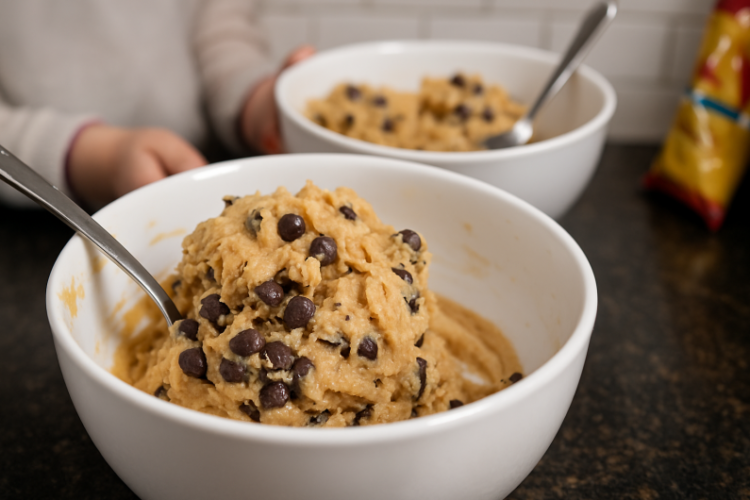
If you enjoy the sweet, creamy taste of classic cookie dough but want a version with more protein and wholesome ingredients, this Protein-Packed Cottage Cheese Cookie Dough is a delicious option. This easy no-bake recipe transforms simple ingredients into a thick, creamy, chocolate-studded treat that can be enjoyed as a snack, dessert, dip, or meal-prep option. The combination of cottage cheese, protein powder, flour made from rolled oats or almond flour, syrup, nut butter, vanilla, and mini chocolate chips creates a satisfying edible cookie dough with a rich and familiar flavor.
High-protein dessert recipes continue to attract attention because they make it easier to enjoy sweet foods while also including ingredients that contribute protein and other nutrients. This healthy cookie dough recipe does not require baking, which makes preparation quick and convenient. Instead of working with traditional raw cookie dough, the ingredients are blended into a smooth mixture and chilled for the best texture. The finished result can be eaten straight from a bowl, spread over a rice cake, or served as a creamy dip.
One of the best things about this cottage cheese cookie dough is its flexibility. The original recipe allows you to use either rolled oats or almond flour, giving you the opportunity to choose the flavor and texture you prefer. Rolled oats create an oat-forward cookie dough with less fat, while almond flour provides a different texture and flavor profile. The recipe also allows a choice between sugar-free syrup and maple syrup, as well as different nut butters depending on the taste you want to create.
Why High-Protein Cookie Dough Is So Popular
Protein-rich snacks have become a popular choice for people who want convenient food that feels enjoyable rather than restrictive. A bowl of protein cookie dough offers the familiar experience of eating chocolate chip cookie dough while incorporating cottage cheese and protein powder. The result is a dessert-style snack that can fit into breakfast, snack time, post-workout eating, or an evening treat.
The appeal also comes from the simplicity of preparation. There is no need to preheat an oven, prepare a baking sheet, or wait for cookies to bake. Most of the work happens in a blender or food processor. Once the ingredients are processed until smooth, the chocolate chips are mixed in and the dough can be chilled. This makes the recipe especially useful when you want a quick homemade treat without a long preparation process.
Another reason this recipe stands out is its texture. Blended cottage cheese creates a smooth base that can become surprisingly creamy when combined with the remaining ingredients. The flour, protein powder, and nut butter help build thickness, while the syrup and vanilla contribute sweetness and flavor. Mini chocolate chips provide small bursts of chocolate throughout the mixture, giving the finished dough a more traditional cookie dough experience.
Cottage Cheese Creates a Creamy Base
Cottage cheese is the ingredient that gives this recipe its distinctive high-protein foundation. Before adding the other ingredients, it is helpful to check whether the cottage cheese contains a large amount of excess liquid. Draining or straining it when necessary can help create a thicker finished mixture. Since different brands can vary in moisture, starting with cottage cheese that has less liquid can make it easier to achieve the desired consistency.
When cottage cheese is processed in a blender or food processor, its curds break down and become much smoother. This transformation is important for a recipe such as edible cookie dough because the goal is a creamy texture rather than a visibly curdled one. Processing the mixture thoroughly helps distribute the cottage cheese evenly among the vanilla, syrup, protein powder, flour, and nut butter.
The cottage cheese also works well with the other ingredients because its mild flavor can be balanced with vanilla and sweeteners. Once everything is blended, the individual flavors combine into a dessert-like mixture that does not resemble a simple bowl of cottage cheese. This makes the recipe appealing even for people who normally prefer cottage cheese in savory dishes.
Rolled Oats or Almond Flour: Choosing Your Base
The original ingredient list gives you two options for the flour component: rolled oats or almond flour. If you choose rolled oats, they first need to be processed or blended until they resemble flour. This homemade oat flour becomes part of the thickening base for the cookie dough. The original recipe notes that using oats creates a cookie dough with less fat and a noticeable oat flavor.
If you already have oat flour available, there is no need to process rolled oats first. You can simply use the flour in the recipe and move forward with the remaining steps. This can save time and make the five-minute preparation process even more convenient. The goal is to have a flour-like ingredient that blends smoothly into the cottage cheese mixture.
Almond flour can also be used as the alternative. Because it is already finely ground, you can skip the step of turning oats into flour. Almond flour provides its own distinct taste and texture while working as the dry ingredient that helps the mixture become thick and dough-like. Whichever option you choose, keeping the original measurement unchanged helps maintain the intended consistency of the recipe.
Protein Powder Adds Flavor and Structure
Vanilla or cookie dough flavored protein powder plays an important role in both flavor and texture. It adds a sweet dessert-style note while contributing to the high-protein character of the recipe. Protein powders can vary significantly between brands, so the exact thickness of the mixture may change depending on the product used.
The protein powder also helps create the thick consistency associated with cookie dough. When blended with cottage cheese, flour, syrup, vanilla, and nut butter, it becomes part of the structure that holds everything together. If the mixture seems too loose, the original recipe provides a simple adjustment: add another one-quarter cup of flour.
This small adjustment can be especially helpful when cottage cheese contains more moisture than expected. It is best to add the additional flour only when necessary and process the mixture again until the texture becomes thicker. Making adjustments gradually helps avoid turning the mixture overly dry.
Syrup and Vanilla Build the Sweet Flavor
The recipe uses two tablespoons of syrup, with the option of choosing sugar-free syrup or maple syrup. Both choices provide sweetness, while maple syrup can add its own recognizable flavor. The syrup blends easily with the cottage cheese and helps distribute sweetness throughout the entire mixture.
One teaspoon of vanilla extract supports the dessert-like flavor and complements both the protein powder and chocolate chips. Vanilla is especially useful when working with a protein-rich base because it helps create a more familiar cookie dough taste. The amount is small, but it contributes to the overall balance of the recipe.
Because the recipe offers choices between different types of syrup and protein powder flavors, the final cookie dough can have subtle variations without changing the basic preparation method. A vanilla protein powder paired with maple syrup may create one flavor profile, while a cookie dough protein powder and sugar-free syrup can produce another. The structure of the recipe remains the same.
Nut Butter Makes the Cookie Dough Rich and Smooth
The two tablespoons of nut butter add richness and contribute to the smooth consistency of this no-bake cookie dough. The original recipe suggests using a neutral-flavored option such as cashew butter when you want the cookie dough flavor to remain more neutral. Peanut butter can also be used when you prefer a stronger peanut butter flavor.
This ingredient is blended with the cottage cheese and the remaining ingredients before the chocolate chips are added. Processing the nut butter into the mixture helps distribute its flavor and creates a more uniform texture. It also contributes to the thick and satisfying consistency that makes the recipe feel more like a traditional cookie dough.
Choosing between cashew butter and peanut butter allows you to personalize the flavor without changing the basic ingredient amount. A neutral nut butter can let the vanilla and chocolate stand out, while peanut butter creates a more noticeable nutty taste. Both options follow the original recipe’s ingredient choices.
Mini Chocolate Chips Add the Classic Cookie Dough Finish
The chocolate chips are added after the main mixture has been processed until smooth. This step helps preserve the small pieces of chocolate rather than blending them completely into the dough. The original recipe recommends using one to two tablespoons of mini chocolate chips and notes that sugar-free chips can be used if available.
Mini chocolate chips work particularly well because they distribute easily throughout the thick mixture. Every spoonful can contain small pieces of chocolate without overwhelming the creamy base. You can use the amount within the original one-to-two-tablespoon range according to your preferred level of chocolate flavor.
The chocolate chips can also be lightly mixed in with other additions you want to include, according to the original instructions. However, the main preparation remains focused on folding or lightly mixing these ingredients after the smooth cookie dough base has been created.
How to Make Cottage Cheese Cookie Dough
The preparation process begins with the flour choice. If you are using rolled oats, add them to a food processor or blender and process them until they resemble flour. If you already have oat flour or have chosen almond flour, you can skip this step entirely and move on.
Next, check the cottage cheese. If there is a noticeable amount of excess liquid, drain or strain it before adding it to the appliance. This helps prevent the finished cookie dough from becoming thinner than intended. Place the cottage cheese into the blender or food processor along with the vanilla extract, protein powder, syrup, nut butter, and prepared oat flour or almond flour.
Process or blend the ingredients until the mixture becomes smooth or reaches your preferred texture. The processing time can vary depending on the appliance and the ingredients used. Stop occasionally if necessary and check the consistency. A smooth, thick mixture is the goal.
Chilling Improves the Texture
The cookie dough can be eaten once the ingredients have been combined, but chilling can improve the final consistency. For the best texture, the original instructions recommend covering the mixture and placing it in the refrigerator for one hour. During this time, the dough becomes firmer and the flavors have time to settle together.
Refrigeration can also make the recipe easier to serve as a dip or spoonable snack. A chilled texture may feel closer to thick edible cookie dough, especially when using a cottage cheese base. If you prefer a softer consistency, you can enjoy it without waiting for the full chilling time.
When preparing the recipe in advance, keeping it covered in the refrigerator also helps maintain the intended texture. Because this is a cottage-cheese-based recipe, refrigeration is an important part of handling the finished dish.
Delicious Ways to Serve Protein Cookie Dough
This high-protein cookie dough can be enjoyed in several simple ways. The easiest option is to eat it directly from a bowl with a spoon. Since the recipe requires no baking, it works well as a quick dessert or snack when you want something sweet without preparing a more complicated dish.
Another serving idea included in the original recipe is spreading the cookie dough over a rice cake. The combination of the crisp rice cake and creamy dough creates a contrast in texture. This can turn the recipe into a more substantial snack while keeping the preparation simple.
You can also use the mixture as a dip. Serve it with foods that pair well with a sweet and creamy cookie dough flavor, following your own preference. The thick texture makes it suitable for dipping, and the mini chocolate chips provide extra texture in every serving.
Meal Prep and Portioning Ideas
Because the recipe makes three bowls, it can be divided into individual portions after preparation. This can make it convenient for snack planning or for having a ready-made dessert in the refrigerator. Divide the finished mixture into containers and keep them covered until you are ready to eat.
Portioning can also help preserve the texture of the remaining cookie dough by reducing repeated exposure to air and moisture. If you prefer the chilled consistency recommended by the original recipe, individual containers can go directly into the refrigerator after the mixture is prepared.
The recipe’s short preparation time makes it practical to prepare when you need a quick homemade snack. Whether you make it for one occasion or divide it into portions, the same basic blending method keeps the process straightforward.
Notes for the Best Cottage Cheese Cookie Dough
For the smoothest texture, process the main ingredients thoroughly before adding the chocolate chips. The cottage cheese should be blended with the remaining ingredients until it reaches the texture you enjoy. A food processor or blender can both be used, depending on what you have available.
Pay attention to excess moisture in the cottage cheese. If your chosen brand contains a lot of liquid, draining or straining it first can help create a thicker mixture. If the dough is still too loose after processing, add another one-quarter cup of flour as stated in the original instructions.
Do not add the mini chocolate chips before blending the main mixture if you want them to remain visible and provide distinct pieces of chocolate. Lightly mix them in at the end. For an especially firm and satisfying texture, cover the finished cookie dough and refrigerate it for one hour before serving.
Why This No-Bake Dessert Is Easy to Make
One of the strongest features of this recipe is that it does not involve baking. There is no need to work with an oven or wait for cookies to cool. Instead, the food processor or blender performs most of the preparation work. This makes the recipe approachable for people with different levels of kitchen experience.
The ingredient list is also straightforward. Each component has a clear role, whether it contributes sweetness, protein, thickness, richness, or texture. Once the flour is prepared, when needed, the remaining ingredients are processed together. The chocolate chips are added last, and chilling is optional but recommended for the best texture.
This simple method makes the recipe useful for busy days, quick snack preparation, or moments when you want a homemade dessert without a lengthy cooking process. The final product can be customized through the allowed ingredient options while preserving the original measurements and preparation structure.
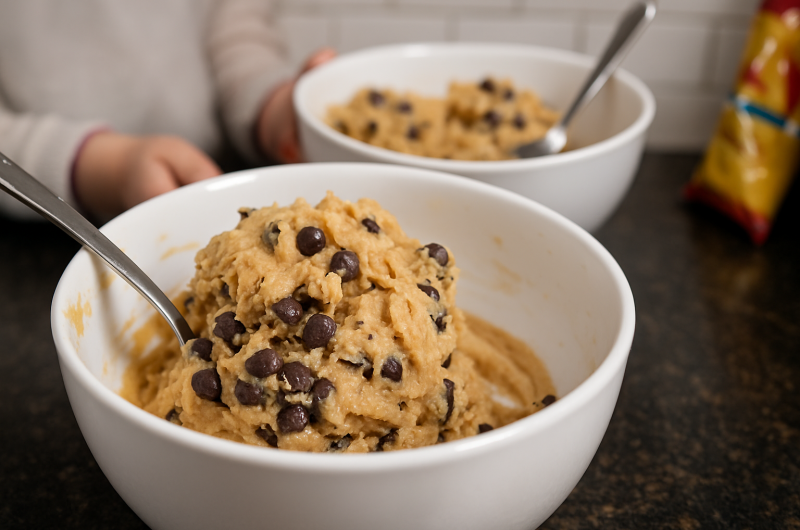
High-Protein Cottage Cheese Cookie Dough Recipe
A creamy, no-bake, high-protein cookie dough made with cottage cheese, rolled oats or almond flour, protein powder, syrup, nut butter, vanilla extract, and mini chocolate chips. Enjoy it as a dessert, snack, spread, or dip.
3
servings5
minutes324
kcal5
minutesIngredients
1 cup rolled oats, or almond flour
Use oats for less fat and an oat-flavored cookie dough.
1 cup cottage cheese
Choose a brand with the least amount of excess liquid when possible.
1 teaspoon vanilla extract
1 scoop protein powder
Vanilla or cookie dough flavor.
2 tablespoons syrup
Sugar-free or maple syrup.
2 tablespoons nut butter
Use a neutral-flavored option such as cashew butter, or peanut butter for a stronger peanut butter flavor.
1–2 tablespoons mini chocolate chips
Sugar-free mini chocolate chips may be used if available.
Directions
- If you already have oat flour or are using almond flour, skip the next two steps.
- Add the rolled oats to a food processor or blender.
- od processor or blender.
Process or blend until the rolled oats have a flour-like consistency. - Check the cottage cheese and drain or strain it if there is a large amount of excess liquid.
- Add the cottage cheese, prepared oat flour or almond flour, vanilla extract, protein powder, syrup, and nut butter to a food processor or blender.
- Process or blend the mixture until smooth or until it reaches your preferred cookie dough texture.
- If the mixture contains too much liquid, add another 1/4 cup of flour and blend again until thicker.
- Lightly mix in the mini chocolate chips or any additional mix-ins you choose.
- For the best texture, cover the cookie dough and refrigerate it for one hour.
- Enjoy the cookie dough as it is, spread it on a rice cake, or serve it as a dip.
Nutrition Facts
- Calories: 324kcal
- Fat: 12g
- Carbohydrates: 30g
- Fiber: 4.6g
- Sugar: 4g
- Protein: 24g
