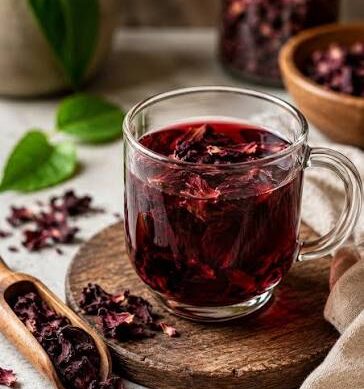
Hibiscus Tea with Bay Leaves and Cinnamon is a fragrant homemade herbal tea with a beautiful ruby-red color and a distinctive combination of tart, warm, and gently herbal flavors. Dried hibiscus flowers provide the bright, tangy base, while a whole cinnamon stick contributes comforting spice and bay leaves add a subtle aromatic note. The recipe requires only a few ingredients, takes less than 20 minutes from start to finish, and can be served either warm or chilled depending on the season and your preference.
This easy hibiscus tea recipe is especially useful when you want something more interesting than plain hot water but do not want a complicated beverage. Everything is simmered together in one small saucepan, followed by a short steeping period that allows the flavors to deepen. Once strained, the tea can be enjoyed exactly as it is or finished with the optional sweetener and lemon slices. The straightforward method also makes it easy to prepare two servings without special tea-making equipment.
What Makes This Homemade Hibiscus Tea Special?
The character of this drink comes from the contrast between its three main flavoring ingredients. Hibiscus has a naturally tart and fruity taste, cinnamon provides warmth and gentle sweetness, and bay leaves introduce an understated herbal aroma. None of these ingredients needs to dominate the cup. When they are simmered and steeped for the recommended time, they produce a balanced infusion with enough depth to be interesting while remaining simple enough for everyday preparation.
Another appealing feature is its versatility. A steaming cup works beautifully when you want a warming drink, while the same recipe can be cooled and served over ice during warmer weather. Lemon is optional but provides additional citrus brightness, and the optional teaspoon of honey, maple syrup, or another preferred sweetener can soften the natural tartness of hibiscus. This flexibility allows the same basic recipe to suit different tastes without complicating the preparation.
Understanding the Flavor of Hibiscus
Dried hibiscus flowers are responsible for both the striking color and the dominant flavor of this herbal infusion. As soon as the flowers begin simmering in hot water, they release a rich red color that gradually becomes deeper. Their flavor is pleasantly tart and refreshing, with a fruit-like quality that makes hibiscus suitable for both hot tea and chilled drinks. Because hibiscus has a noticeable natural sharpness, it pairs particularly well with warmer spices and optional sweet ingredients.
The recipe uses two tablespoons of dried hibiscus flowers for two cups of water. This creates a noticeable hibiscus flavor without requiring an excessive quantity of flowers. Quality also matters. Deep-red, aromatic dried flowers generally provide a more attractive color and fresher flavor than flowers that have become dull or stale during storage. Keep dried hibiscus sealed in a cool, dry place to help maintain its aroma until you are ready to brew it.
Why Cinnamon Works So Well with Hibiscus
One whole cinnamon stick gives this tea a warm, aromatic background that contrasts beautifully with the tartness of the hibiscus. Cinnamon has a naturally sweet-smelling quality even when no sugar is added, which can make the finished drink feel rounder and more comforting. Using a whole cinnamon stick rather than ground cinnamon also makes the tea easier to strain and helps avoid a powdery texture at the bottom of the serving cup.
The cinnamon stick is added at the same time as the hibiscus and bay leaves, allowing its flavor to develop slowly during simmering. There is no need to crush or grind it. The eight-to-ten-minute simmer, followed by a short steep, provides enough time for the cinnamon to contribute its distinctive aroma without overwhelming the other ingredients. It can simply be discarded along with the flowers and bay leaves after brewing.
What Bay Leaves Add to Herbal Tea
Bay leaves are more commonly associated with soups, stews, sauces, and savory cooking, but their aromatic character can also complement herbal infusions. In this recipe, two bay leaves provide a mild herbal note that sits underneath the brighter hibiscus and warmer cinnamon flavors. The effect is subtle rather than overpowering, giving the finished drink additional depth without turning it into a strongly savory beverage.
The bay leaves should remain whole during brewing and must be strained from the tea before serving. They are included for infusion rather than for eating. Adding them directly to the simmering water allows their aroma to gradually blend with the hibiscus and cinnamon. Keeping the original quantity of two leaves also prevents their stronger herbal character from becoming too prominent in a relatively small two-cup batch.
Choosing the Water
Water may seem like the simplest ingredient in the recipe, but it forms the entire liquid base, so its taste affects the finished tea. Two cups are required for the original preparation. Fresh drinking water is suitable, and filtered water can be used when your tap water has a noticeable mineral or chlorine taste that might interfere with the delicate herbal flavors.
Pour the water into a small saucepan before placing it over medium heat. Allow it to reach a gentle boil rather than leaving it at a vigorous rolling boil for an extended period. Once the hibiscus, cinnamon, and bay leaves have been added, the heat is reduced so the ingredients can simmer gently. This slower extraction gives the water time to take on their color, aroma, and flavor.
Optional Sweetener
One teaspoon of honey, maple syrup, or another sweetener of choice is included as an optional ingredient. Hibiscus has a naturally tart character, so a small amount of sweetness can soften its sharper edge and create a smoother flavor. However, sweetener is not required, and the tea can be enjoyed unsweetened if you prefer its naturally tangy taste.
If using sweetener, add it after straining while the tea is still warm. The heat helps honey, maple syrup, or another suitable sweetener dissolve quickly and distribute evenly. Start with the quantity given rather than automatically adding more. Taste after stirring and decide whether the balance suits you. The aim is to complement the hibiscus rather than completely cover its naturally tart character.
Optional Lemon for Serving
Fresh lemon slices provide an easy finishing touch. Lemon reinforces the bright character of hibiscus and adds a recognizable citrus aroma when the warm tea reaches the table. It is entirely optional, so the drink remains complete without it.
Add the lemon only when serving rather than simmering it with the other ingredients in the basic recipe. A thin slice placed in the cup provides enough citrus character without substantially changing the brewing process. Lemon is also particularly attractive when the tea is served cold because the yellow citrus contrasts beautifully with the deep ruby-red liquid in a clear glass.
Equipment You Will Need
No specialized tea equipment is necessary. A small saucepan is sufficient for heating and simmering the ingredients, while a fine-mesh strainer removes the hibiscus flowers, bay leaves, and cinnamon stick before serving. A teapot can be used to hold the strained tea, although pouring it directly into individual serving cups works equally well when preparing only two portions.
You will also need a spoon if adding sweetener. Using a strainer with a sufficiently fine mesh is helpful because small fragments of dried hibiscus can otherwise pass into the cup. Arrange the equipment before heating the water so the tea can be strained promptly after its final steeping period rather than continuing to infuse longer than intended.
How to Make Hibiscus Tea with Bay Leaves and Cinnamon
Begin by measuring two cups of water into a small saucepan. Place the pan over medium heat and bring the water to a gentle boil. Once bubbling, add two tablespoons of dried hibiscus flowers, two bay leaves, and one cinnamon stick. Give the mixture a brief stir so the dried ingredients become submerged and can begin releasing their flavor evenly into the hot water.
Reduce the heat to low and let the tea simmer gently for approximately eight to ten minutes. During this stage, the liquid will develop its characteristic deep ruby-red color as the hibiscus infuses. The cinnamon and bay leaves will simultaneously release their aromas. Keep the simmer gentle rather than aggressively boiling the mixture, as a controlled extraction is all that is needed for this simple herbal tea.
Why Simmering Time Matters
Eight to ten minutes provides enough time for the ingredients to create a full-flavored infusion. Removing the saucepan too early may produce a lighter color and weaker flavor, while unnecessarily prolonged simmering can make the tea stronger and more concentrated than intended. Staying within the recommended range provides a useful starting point, particularly when preparing the recipe for the first time.
You can make small adjustments after becoming familiar with the flavor. Someone who enjoys a stronger hibiscus character may prefer the upper end of the recommended simmering period, while a slightly lighter tea can be removed from the heat closer to eight minutes. Changes in brewing time are generally preferable to making unnecessary alterations to the core ingredient quantities.
Let the Tea Steep After Simmering
When the simmering period is complete, remove the saucepan from the heat but do not strain the tea immediately. Leave the hibiscus flowers, cinnamon stick, and bay leaves in the hot liquid for another three to five minutes. This short steeping period gives the flavors additional time to settle and deepen without continued direct heat.
This combination of simmering and steeping is particularly useful because the ingredients have different flavor profiles. Hibiscus releases its color quickly, while whole spices and leaves can benefit from additional contact with the hot water. The final resting period therefore helps create a more rounded cup before all the solids are removed.
Straining the Tea Properly
Position a fine-mesh strainer over a teapot, heat-safe pitcher, or serving cup. Carefully pour the brewed tea through the strainer, allowing the liquid to pass through while capturing the dried hibiscus, bay leaves, cinnamon stick, and any small fragments.
Discard the strained solids after brewing. They have already released much of the flavor needed for this batch and are not intended to remain in the serving cup. In particular, the whole bay leaves should always be removed before drinking. Once strained, the tea is ready for optional sweetening and serving.
Serving the Tea Warm
For a warm serving, pour the freshly strained tea directly into cups. Add the optional teaspoon of honey, maple syrup, or sweetener while the liquid remains warm and stir until completely dissolved. Finish each cup with an optional fresh lemon slice.
The tea can be served on its own or alongside breakfast, a light snack, or a simple evening treat. Because the flavor includes tart hibiscus and warm cinnamon, it pairs particularly well with foods that have mild sweetness or gentle spice rather than dishes with extremely strong competing flavors.
Making Iced Hibiscus Cinnamon Tea
The same recipe works well as an iced beverage without changing the core ingredients. After brewing and straining, allow the tea to cool before transferring it to the refrigerator. Once thoroughly chilled, pour it over ice and add an optional lemon slice or fresh mint garnish.
When preparing the tea specifically for cold serving, remember that very cold beverages can sometimes taste slightly less intense than warm ones. Brew according to the original method first and taste after chilling. Avoid automatically increasing ingredients before knowing how the standard preparation tastes cold. The naturally bright hibiscus flavor remains particularly refreshing when served over ice.
Hibiscus Ginger Tea Variation
Fresh ginger can be added during simmering when you want a warmer and slightly spicy variation. A few fresh ginger slices complement both the tart hibiscus and aromatic cinnamon, creating a more intensely warming drink.
This should be treated as a variation rather than part of the original ingredient list. Begin with a modest quantity because fresh ginger can quickly become dominant. Simmer it with the hibiscus, bay leaves, and cinnamon, then strain everything together before serving. This version can be enjoyed either warm or chilled depending on preference.
Citrus Hibiscus Tea Variation
For a brighter citrus version, orange peel or additional lemon can be introduced. Citrus aromas work naturally with hibiscus because both have a fresh, tangy character, while cinnamon provides enough warmth to keep the finished flavor balanced.
When using citrus peel, avoid adding excessive white pith because it can introduce unwanted bitterness. A small amount of peel is usually enough to provide noticeable aroma. Alternatively, keep the brewing method unchanged and simply use extra fresh lemon slices when serving for a straightforward citrus finish.
Spiced Hibiscus Tea Variation
A few whole cloves and a small piece of star anise can transform the basic drink into a warmer spiced tea. These ingredients have powerful aromas, so only modest amounts are needed to complement the existing cinnamon.
Add them during simmering and remove them when the tea is strained. This variation works particularly well when served warm during cooler weather. The combination of hibiscus, cinnamon, cloves, star anise, and bay leaves creates a more complex aroma while the underlying tart character of hibiscus remains recognizable.
Mint Hibiscus Tea Variation
Fresh mint provides a cooling herbal note that contrasts with the warming cinnamon. Rather than simmering mint for the entire brewing period, stir a few fresh leaves into the tea after brewing or add them during the final steep.
This preserves more of mint’s fresh aroma and prevents it from becoming unnecessarily strong. Mint is particularly suitable when the tea will be chilled and served over ice. Fresh mint leaves and a lemon slice can also be used as simple garnishes for an attractive summer presentation.
Foods to Serve with Hibiscus Tea
For breakfast, hibiscus tea pairs nicely with whole-grain toast, oatmeal, yogurt with fruit, or homemade muffins. Its tart character provides a pleasant contrast with mildly sweet breakfast foods, while cinnamon helps the beverage feel warm and comforting when served in the morning.
For an afternoon snack, consider oatmeal cookies, mixed nuts, fruit salad, or granola bars. In the evening, lighter options such as biscotti, cinnamon crackers, baked apples, or a small piece of cake work well. These serving suggestions are optional and allow the tea to fit naturally into different parts of the day.
How to Store Leftover Hibiscus Tea
If you prepare more tea than you need immediately, allow the leftover portion to cool before transferring it to an airtight container or glass jar. Refrigerate it for up to three days. Keeping the tea covered helps protect its flavor and prevents it from absorbing aromas from other foods stored nearby.
When you want to serve it again, drink it directly from the refrigerator over ice or gently warm the required portion on the stovetop or in a microwave-safe cup. Avoid repeatedly heating and cooling the entire batch. Stir chilled tea before serving and add fresh lemon or mint at the time of serving rather than during storage.
Notes for the Best Results
Use aromatic dried hibiscus flowers with a rich red color, and keep the cinnamon stick and bay leaves whole so they are easy to remove after brewing. Maintain a gentle simmer rather than aggressively boiling the ingredients, and allow the additional three-to-five-minute steep after removing the saucepan from the heat. These simple details help create a well-developed flavor without making the brewing process complicated.
Taste the tea before adding additional sweetness because hibiscus is naturally tart and individual preferences vary considerably. Always strain out the bay leaves and other solids before serving. For iced tea, allow the brewed liquid to cool completely before pouring it over ice. Store leftovers covered in the refrigerator and use them within three days for the best flavor.
Hibiscus Tea with Bay Leaves and Cinnamon
A fragrant ruby-red herbal tea with tart hibiscus, warm cinnamon, and aromatic bay leaves. Delicious served hot or chilled over ice.
2
servings3
minutes10
minutes05
kcal05
18
minutesIngredients
2 cups water
2 tbsp dried hibiscus flowers
2 bay leaves
1 cinnamon stick
1 tsp honey, maple syrup, or sweetener of choice, optional
Lemon slices, optional
Directions
- Bring 2 cups water to a gentle boil.
- Add hibiscus, bay leaves, and cinnamon.
- Simmer on low for 8–10 minutes.
- Remove from heat and steep for 3–5 minutes.
- Strain and discard the solids.
- Add optional sweetener.
- Serve warm with optional lemon.
Nutrition Facts
2 servings per container
- Amount Per ServingCalories05
- % Daily Value *
- Total Fat
0g
0%
- Total Carbohydrate
1g
1%
- Protein 0g 0%
* The % Daily Value tells you how much a nutrient in a serving of food contributes to a daily diet. 2,000 calories a day is used for general nutrition advice.
