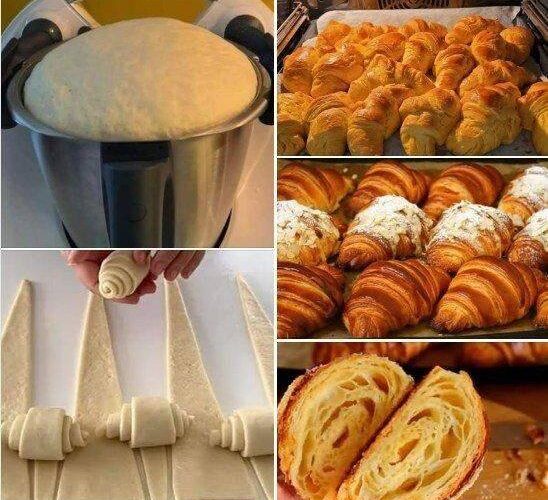
Light, crisp, buttery, and beautifully layered, this homemade gluten-free puff pastry creates tall flaky layers that shatter delicately with every bite. Unlike many gluten-free pastries that turn dense or gummy, this laminated dough bakes into golden, airy layers perfect for both sweet and savory recipes.
This recipe uses a classic folding technique to create hundreds of delicate layers of dough and butter. The result is a bakery-style gluten-free puff pastry that works wonderfully for turnovers, hand pies, breakfast pastries, tarts, cheese straws, palmiers, sausage rolls, and elegant desserts.
Whether you are baking for a gluten-free lifestyle, food sensitivities, or simply exploring homemade pastry techniques, this recipe delivers reliable results with a crisp texture and rich buttery flavor.
Why You’ll Love This Gluten-Free Puff Pastry
- Tall flaky bakery-style layers
- Crisp texture without gumminess
- Easy-to-follow lamination method
- Perfect for sweet and savory baking
- Freezer-friendly dough
- Rich buttery flavor
- Beautiful golden finish
- Flexible and easy to shape
- Excellent for beginners learning puff pastry
What Is Puff Pastry?
Puff pastry is a laminated dough made by repeatedly folding butter into dough to create many thin layers. During baking, the water in the butter turns into steam, pushing the layers upward and creating the signature puffed texture.
Traditional puff pastry contains gluten, which provides elasticity and structure. This gluten-free version uses a carefully balanced dough that still creates impressive lift and flaky layers without wheat flour.
Ingredients
For the Dough
- 2¼ cups (315 g) gluten-free all-purpose flour with xanthan gum
- 1 teaspoon fine sea salt
- 1 teaspoon granulated sugar
- 1 teaspoon apple cider vinegar
- ¾ cup (180 ml) ice-cold water
For the Butter Block
- 1¼ cups (285 g) cold unsalted butter
For the Egg Wash
- 1 large egg
- 1 tablespoon water
Ingredient Notes
Gluten-Free Flour
Use a high-quality gluten-free all-purpose flour blend that already contains xanthan gum. Cup-for-cup style blends work best because they provide better elasticity and structure during folding.
Avoid single-ingredient flours such as almond flour or coconut flour for this recipe.
Butter
Cold butter is essential for creating flaky layers. European-style butter with a higher fat content creates especially rich pastry.
Vinegar
Apple cider vinegar improves dough flexibility and helps create a more tender texture.
Equipment You’ll Need
- Rolling pin
- Parchment paper
- Sharp knife or pastry cutter
- Large mixing bowl
- Plastic wrap
- Baking sheet
- Pastry brush
How to Make Gluten-Free Puff Pastry
Step 1: Prepare the Dough
In a large mixing bowl, whisk together the gluten-free flour, salt, and sugar until evenly combined.
In a separate cup, stir the apple cider vinegar into the ice-cold water.
Gradually pour the cold water mixture into the flour while mixing with a spoon or your hands. Continue mixing until a firm dough forms.
The dough should feel smooth and slightly firm but not sticky.
Shape the dough into a rectangle approximately 1 inch thick. Wrap tightly in plastic wrap and refrigerate for 30 minutes.
Step 2: Make the Butter Block
Place the cold butter between two sheets of parchment paper.
Using a rolling pin, gently pound and roll the butter into a 6×8-inch rectangle about ½ inch thick.
Try to keep the edges straight and even.
Refrigerate the butter block for 10–15 minutes until cold but still flexible.
The butter should bend without cracking.
Step 3: Enclose the Butter
Lightly dust your work surface with rice flour.
Roll the chilled dough into an 8×12-inch rectangle.
Place the butter block in the center of the dough.
Fold the dough over the butter like an envelope so the butter is fully enclosed.
Pinch the seams gently to seal completely.
At this stage, the butter should not be visible.
Laminating the Dough
First Fold
Roll the dough gently into a long rectangle approximately 8×20 inches.
Always roll in one direction to maintain even layers.
Fold the dough into thirds like folding a letter.
Rotate the dough 90 degrees.
Wrap tightly and refrigerate for 30 minutes.
Repeat the Folding Process
Repeat the rolling and folding process 4 more times for a total of 5 folds.
Chill the dough between every fold.
If the butter softens or the dough becomes sticky, refrigerate longer before continuing.
The repeated folding creates the flaky layered structure that gives puff pastry its dramatic rise.
Final Chill
After the final fold, wrap the dough tightly and refrigerate for at least 1 hour before shaping.
This resting time relaxes the dough and firms the butter layers.
How to Shape Puff Pastry
Roll the chilled dough to about ¼-inch thickness.
Use a very sharp knife or pastry cutter to cut clean edges.
Avoid twisting cutters because twisting seals the layers and prevents proper puffing.
For filled pastries:
- Do not overfill
- Avoid pressing edges too tightly
- Chill shaped pastries before baking
Egg Wash for a Golden Finish
In a small bowl, whisk together:
- 1 egg
- 1 tablespoon water
Lightly brush only the tops of the pastry.
Do not let egg wash drip down the sides because it can seal the layers and reduce lift.
For extra browning, add 1 teaspoon honey to the egg wash.
Baking Instructions
Preheat the oven fully to 425°F (220°C).
Place pastries on a parchment-lined baking sheet.
Bake for 18–22 minutes until deeply golden brown and puffed.
Avoid opening the oven during the first 15 minutes because sudden temperature changes can reduce rise.
The pastry is finished when:
- layers are visibly separated
- tops are deep golden brown
- bottoms feel crisp
Expert Tips for Perfect Layers
Keep Everything Cold
Cold butter is the secret to flaky pastry. If the butter melts into the dough before baking, layers will disappear.
Chill Frequently
If the dough becomes soft or sticky at any point, stop and refrigerate.
Roll Gently
Pressing too hard can crush the butter layers.
Use Sharp Cuts
Clean cuts allow the layers to rise evenly.
Trim Edges Before Baking
Trimming edges with a sharp knife helps reveal clean layers and improves puff.
Troubleshooting Guide
Butter Leaking During Baking
Possible causes:
- dough became too warm
- butter softened too much
- insufficient chilling time
Solution:
Chill the dough longer between folds.
Dough Cracking
Possible causes:
- dough too cold
- not enough moisture
Solution:
Let the dough rest at room temperature for 5 minutes before rolling.
Pastry Didn’t Rise
Possible causes:
- oven not hot enough
- egg wash dripped onto edges
- layers compressed while rolling
Solution:
Preheat thoroughly and roll gently.
Dense Texture
Possible causes:
- too much flour during rolling
- dough overworked
Solution:
Use minimal dusting flour and handle gently.
Delicious Ways to Use Gluten-Free Puff Pastry
This dough works beautifully for:
- Fruit turnovers
- Apple pastries
- Savory hand pies
- Cheese twists
- Breakfast pastries
- Tart crusts
- Sausage rolls
- Puff pastry pizza
- Palmiers
- Chocolate-filled pastries
- Spinach and feta puffs
- Mini quiches
Storage Instructions
Refrigerator
Store wrapped dough in the refrigerator for up to 3 days.
Freezer
Freeze tightly wrapped dough for up to 2 months.
Thaw overnight in the refrigerator before rolling.
Freezing Cut Pastries
Freeze shaped pastries on a baking tray until solid, then transfer to freezer bags.
Bake directly from frozen and add 3–4 extra minutes to baking time.
Make-Ahead Tips
You can prepare the dough several days in advance and keep it refrigerated until needed.
Many bakers prefer making puff pastry the day before baking because the extra chilling improves layering and flavor.
Dairy-Free Option
To make this recipe dairy-free:
- replace butter with high-fat vegan block butter
- avoid soft spreadable vegan margarine
Block-style vegan butter works best for lamination.
Frequently Asked Questions
Can I Use Homemade Gluten-Free Flour Blend?
Yes, but it should include:
- rice flour
- starches
- xanthan gum
Balanced blends perform best.
Why Is My Dough Sticky?
Different flour blends absorb moisture differently.
If sticky:
- chill longer
- lightly dust with rice flour
Avoid adding too much extra flour.
Can I Freeze Baked Puff Pastry?
Yes.
Reheat in a 350°F oven until crisp again.
Avoid microwaving because it softens the layers.
