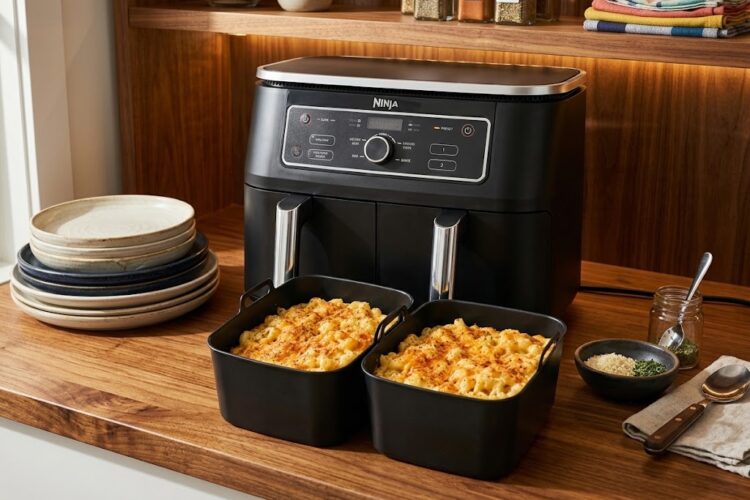
Classic Macaroni and Cheese is the kind of comfort food that never goes out of style. Tender elbow macaroni covered in a rich, creamy homemade cheese sauce creates a simple yet satisfying dish that works equally well for a family dinner, holiday table, or casual weekend meal. This recipe combines cheddar, mozzarella or Monterey Jack, and Parmesan cheese to create a smooth sauce with plenty of flavor, while an optional buttery breadcrumb topping turns it into a golden baked mac and cheese when you want something extra special.
What makes this homemade mac and cheese recipe particularly useful is its flexibility. You can serve it directly from the stovetop for a creamy, quick meal, or transfer it to a baking dish and finish it in the oven with breadcrumbs, melted butter, and Parmesan. Both versions begin with the same reliable cheese sauce made from butter, flour, warm milk, and freshly shredded cheese. Learning this simple method gives you a dependable base for creamy macaroni and cheese without relying on packaged cheese sauce.
Why You Love This Recipe
A good macaroni and cheese recipe depends on balance. The pasta needs to remain tender without becoming mushy, while the cheese sauce should be thick enough to cling to every piece of macaroni without becoming heavy or grainy. This recipe achieves that balance by cooking the pasta until al dente and preparing a simple butter-and-flour roux before gradually adding warm milk. The cheese is stirred in over low heat, helping it melt smoothly into the sauce.
Another advantage is the combination of cheeses. Cheddar provides the familiar rich flavor associated with classic mac and cheese, while mozzarella or Monterey Jack contributes smooth melting qualities. Parmesan brings a stronger savory note that rounds out the sauce. Instead of depending on a single cheese, this combination creates a more interesting flavor while maintaining the creamy texture expected from traditional homemade macaroni and cheese.
What Makes Macaroni and Cheese Creamy?
The secret to creamy mac and cheese is not simply adding more cheese. The sauce needs a stable base that can hold the melted cheese while remaining smooth. In this recipe, that foundation begins with a roux made from equal amounts of butter and all-purpose flour. Warm milk is gradually whisked into the roux until it thickens into a creamy white sauce.
Cheese is then added only after the heat has been reduced. This is an important detail because excessive heat can cause cheese to separate, producing an oily or grainy sauce. Gradually stirring cheddar, mozzarella or Monterey Jack, and Parmesan into the warm sauce allows them to melt gently. The result is a velvety cheese sauce that coats the macaroni rather than collecting at the bottom of the pan.
Choosing Pasta for Classic Mac and Cheese
Elbow macaroni is the traditional pasta choice for this recipe and works particularly well because its curved shape captures creamy cheese sauce. The recipe calls for two cups of elbow macaroni, providing a familiar pasta-to-sauce ratio. Small pasta shapes also cook relatively quickly and are easy to stir into a thick sauce without breaking apart.
Cook the macaroni only until al dente, which means it should be tender but retain a slight firmness when bitten. This is particularly important if you plan to make the baked version because the pasta will continue cooking in the oven. Overcooking it during boiling can result in an overly soft texture once the finished dish reaches the table.
Why Salt the Pasta Water?
Adding one tablespoon of salt to the boiling water seasons the macaroni while it cooks. Pasta itself is relatively mild, so properly seasoned cooking water helps build flavor before the cheese sauce is even added. The salt should be added once the water reaches a boil, followed by the elbow macaroni.
After cooking, drain the macaroni thoroughly and set it aside while preparing the sauce. There is no need to continue cooking it at this stage. The pasta will be mixed into the hot cheese sauce later, and if you choose the baked version, it will receive additional cooking time in the oven.
Choosing Cheese for Homemade Macaroni and Cheese
Cheddar is the main cheese in this recipe, with one cup providing the primary flavor. A good melting cheddar creates the recognizable taste people expect from classic macaroni and cheese. The recipe also includes half a cup of mozzarella or Monterey Jack, either of which adds creaminess and helps produce a smoother melted texture.
A quarter cup of grated Parmesan completes the cheese mixture. Parmesan has a stronger, saltier character, so a relatively small amount is enough to deepen the overall flavor. When the three cheeses are combined, the sauce becomes more balanced than a version made entirely with one variety. For the optional baked topping, another two tablespoons of Parmesan are combined with breadcrumbs and butter.
Why Freshly Shredded Cheese Works Well
Freshly shredded cheese generally melts more smoothly into homemade cheese sauce. Some packaged shredded cheeses contain anti-caking ingredients designed to prevent the pieces from sticking together in the bag. Although convenient, these coatings can sometimes affect how smoothly the cheese incorporates into a sauce.
Shredding the cheese shortly before cooking also gives you better control over texture. Allowing it to sit briefly at room temperature can help it melt more easily when added to the warm sauce. Add the cheese gradually rather than all at once, stirring between additions until each portion is melted before adding more.
How to Make a Roux for Mac and Cheese
A roux sounds technical, but it is simply a cooked mixture of butter and flour used to thicken sauces. Melt three tablespoons of butter in a medium saucepan over medium heat. Once melted, add three tablespoons of all-purpose flour and immediately begin whisking until the ingredients form a smooth mixture.
Continue whisking for approximately one to two minutes. The mixture should become smooth and slightly bubbly, but it should not brown. Cooking the flour briefly removes its raw taste while preserving the mild flavor needed for a creamy cheese sauce. If the roux becomes deeply browned, it can change both the color and flavor of the finished macaroni and cheese.
Why Warm Milk Is Important
The recipe uses 2½ cups of warm milk. Adding warm rather than very cold milk helps it combine more smoothly with the roux and reduces the chance of lumps forming. Pour the milk in gradually while whisking continuously instead of adding the entire amount at once.
Continue cooking and whisking for approximately three to five minutes. The mixture will gradually thicken as the flour does its work. When ready, the sauce should have a creamy consistency and coat the back of a spoon. This white sauce forms the foundation that will hold all three cheeses.
How to Prevent Lumpy Cheese Sauce
Lumps usually develop when liquid is added too quickly to a flour-based roux or when the mixture is not whisked thoroughly. Adding the warm milk gradually gives the butter-and-flour mixture enough time to incorporate the liquid. Continuous whisking keeps the sauce moving and helps break apart any small lumps before they become difficult to remove.
Temperature also matters later in the recipe. Once the milk sauce has thickened, reduce the heat before adding the cheese. High heat is unnecessary at this stage and can actually damage the texture. Gentle heat and steady stirring are much more effective for producing the silky consistency associated with good homemade mac and cheese.
Seasoning the Cheese Sauce
Once the milk mixture has thickened, season it with half a teaspoon of salt and half a teaspoon of black pepper. The recipe also allows a quarter teaspoon of paprika or mustard powder as an optional addition. Either option can add subtle depth without overpowering the flavor of the cheese.
Seasoning should complement rather than dominate the sauce. Remember that cheddar and Parmesan already contribute savory and salty flavors, so the final salt level can be adjusted according to taste. Stir the seasonings thoroughly into the sauce before beginning to add the shredded cheeses.
How to Melt Cheese Into the Sauce
Reduce the heat to low before adding the cheese. Gradually stir in one cup of shredded cheddar, half a cup of shredded mozzarella or Monterey Jack, and a quarter cup of grated Parmesan. Add them in portions and allow each addition to melt before introducing more.
Avoid bringing the sauce to a vigorous boil after the cheese has been added. High heat can cause the proteins and fats in cheese to separate, creating a grainy or greasy consistency. Low heat allows the cheese to melt gently into the thickened milk sauce, producing the creamy finish required for classic macaroni and cheese.
Combining Macaroni With Cheese Sauce
Once the cheese has completely melted and the sauce is smooth, add the drained elbow macaroni directly to the saucepan. Fold and stir gently until every piece is covered with cheese sauce. Pay attention to the bottom of the pan, where thicker sauce can collect, and mix until everything is evenly distributed.
At this point, you have finished the stovetop version. It can be served immediately for an especially soft and creamy mac and cheese. The sauce will continue thickening slightly as it cools, so serving it while hot provides the smoothest texture. Alternatively, continue with the breadcrumb topping and bake it for a crisp finish.
Stovetop Mac and Cheese vs. Baked Mac and Cheese
The stovetop version is the best choice when your priority is maximum creaminess. Because it is served immediately after the pasta and sauce are combined, there is less opportunity for the macaroni to absorb additional moisture. The cheese sauce remains loose, glossy, and creamy around the pasta.
The baked version provides a different experience. Baking gives the top a golden breadcrumb crust while the pasta underneath remains coated in cheese sauce. The additional oven time makes the overall dish slightly firmer. Neither version is necessarily better; the choice depends on whether you prefer an especially creamy texture or a combination of creamy pasta and crisp topping.
Making the Crispy Breadcrumb Topping
For the optional baked version, combine half a cup of breadcrumbs with one tablespoon of melted butter and two tablespoons of grated Parmesan cheese. Mix until the breadcrumbs are lightly coated with butter and the Parmesan is evenly distributed.
This simple topping provides a crisp contrast to the creamy pasta underneath. The butter encourages the breadcrumbs to brown, while Parmesan adds a savory cheese flavor. Spread the mixture evenly rather than concentrating it in the center so each serving receives some of the golden topping.
How to Make Baked Macaroni and Cheese
Preheat the oven to 375°F (190°C). Transfer the prepared macaroni and cheese to a greased baking dish, spreading it into an even layer. Sprinkle the breadcrumb mixture evenly across the top without pressing it deeply into the pasta.
Bake for approximately 20 to 25 minutes, or until the topping becomes golden brown and slightly crisp. Remove the dish from the oven and allow it to rest for about five minutes before serving. This brief resting period allows the sauce to settle slightly and makes the portions easier to serve.
What to Serve With Macaroni and Cheese
Classic Macaroni and Cheese is substantial enough to serve as a main meal, particularly when paired with vegetables or salad. A crisp green salad creates a fresh contrast to the rich cheese sauce, while roasted vegetables provide additional texture and make the meal feel more complete.
It also works well as a side dish. Grilled chicken is an easy pairing because its savory flavor complements the creamy pasta without competing with it. Mac and cheese can also be served as part of a larger family meal, barbecue spread, or holiday menu where a warm and familiar side dish is welcome.
Notes for Perfect Macaroni and Cheese
Use Warm Milk
Warm milk incorporates into the roux more easily than cold milk and helps create a smooth sauce. Add it gradually while whisking continuously rather than pouring everything into the saucepan at once. This simple technique significantly reduces the chance of lumps.
Keep the Heat Low When Adding Cheese
Once the white sauce has thickened, lower the heat before adding cheddar, mozzarella or Monterey Jack, and Parmesan. Cheese does not need high heat to melt. Gentle heat creates a smoother sauce and reduces the chance of separation.
Avoid Overcooking the Pasta
Cook the macaroni until al dente, especially if you intend to bake the finished dish. The pasta will continue softening when mixed with hot sauce and again during baking. Starting with slightly firm macaroni helps prevent a mushy finished texture.
Add Cheese Gradually
Do not dump all the shredded cheese into the saucepan at once. Add smaller portions while stirring, allowing each addition to melt before adding the next. This helps the cheeses blend smoothly into the sauce.
Stir the Sauce Continuously
Regular whisking is important while preparing the roux and adding the milk. It prevents flour from settling or forming lumps and helps the sauce thicken evenly. Once the cheese is added, switch to gentle stirring until everything is completely melted.
Common Mac and Cheese Problems
A grainy cheese sauce is often associated with excessive heat. Cheese should be added over low heat and stirred gently until melted. If the sauce is boiled aggressively after the cheese goes in, its texture can become less smooth. Using gradual heat is more effective than trying to melt the cheese as quickly as possible.
A sauce that is too thick may also make the finished macaroni feel dry, particularly after baking. Following the specified quantities of butter, flour, milk, and cheese provides the intended balance. Likewise, properly measuring the pasta prevents an excessive amount of macaroni from absorbing all the available sauce.
How to Store Leftover Mac and Cheese
Place cooled leftovers in an airtight container and refrigerate for up to three days. As macaroni and cheese sits in the refrigerator, the pasta absorbs some of the sauce and the cheese firms up. This is normal, but it means reheated mac and cheese may need a little extra moisture to regain its original creamy consistency.
Avoid leaving the dish uncovered in the refrigerator because the surface can dry out. If you made the baked version, storing it in a covered baking dish is convenient when you plan to reheat several portions at once.
How to Reheat Macaroni and Cheese
When reheating macaroni and cheese, add a small splash of milk to help loosen the sauce. Reheat gently on the stovetop while stirring rather than using very high heat. This helps the cheese become creamy again without causing unnecessary separation.
The baked version can also be reheated in the oven. Adding a small amount of milk before heating helps replace some of the moisture absorbed during storage. Heat only until the dish is warmed through, since prolonged reheating can dry the pasta and thicken the sauce excessively.
Why This Classic Mac and Cheese Recipe Works
This recipe uses a straightforward method that addresses the most important parts of homemade macaroni and cheese: properly cooked pasta, a smooth roux-based sauce, gradual cheese melting, and controlled heat. None of the individual techniques is difficult, but following them in the correct order produces a noticeably better result.
The three-cheese combination also gives the sauce a balanced character. Cheddar delivers classic mac and cheese flavor, mozzarella or Monterey Jack supports smooth melting, and Parmesan adds savory depth. Combined with tender elbow macaroni, the result is a dependable comfort-food recipe that can be enjoyed straight from the stovetop or finished with a crisp breadcrumb topping.
Classic Macaroni and Cheese proves that a relatively short ingredient list can create a rich and satisfying homemade meal. The key is treating each stage carefully rather than rushing the sauce. Cook the macaroni until al dente, prepare the roux without browning it, gradually whisk in warm milk, and melt the cheese over low heat for the smoothest consistency.
Serve the finished macaroni directly from the stovetop when you want an especially creamy dish, or add the buttery Parmesan breadcrumb topping and bake it at 375°F (190°C) for 20 to 25 minutes. Either method produces a comforting homemade mac and cheese that works as a main course or versatile side dish.
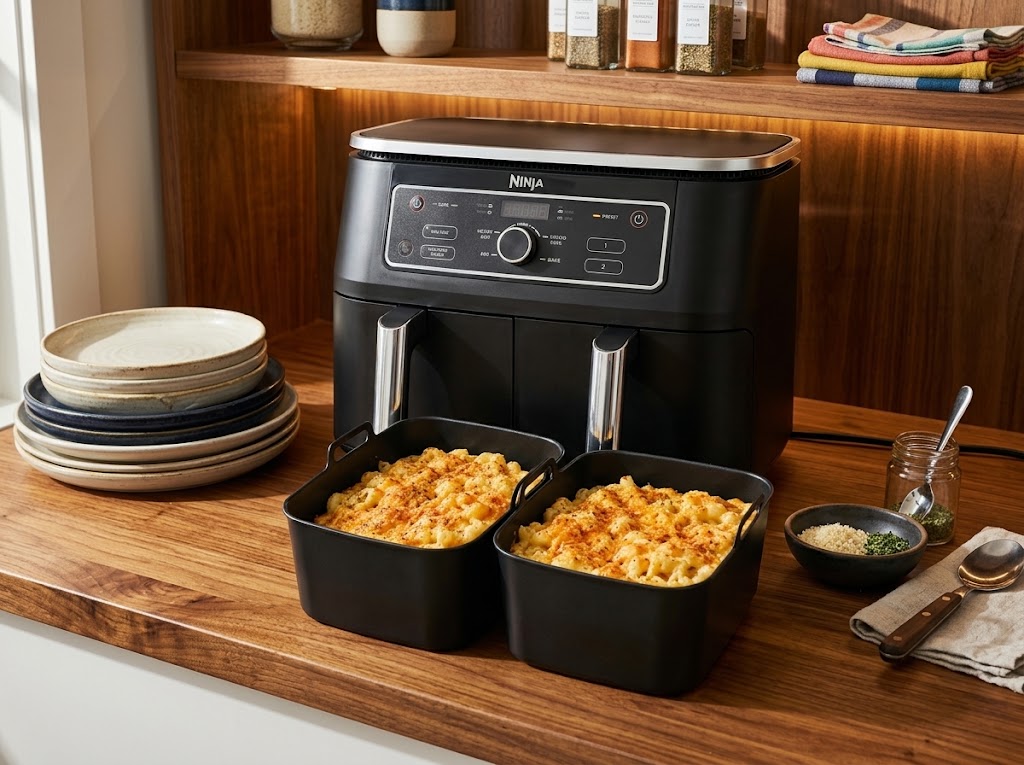
Classic Macaroni and Cheese Recipe
Creamy homemade macaroni and cheese made with tender elbow pasta and a smooth three-cheese sauce. Serve it straight from the stovetop or bake it with a golden Parmesan breadcrumb topping.
6
servings15
minutes20
minutes35
minutesIngredients
- For the Pasta
2 cups elbow macaroni
Water, for boiling
1 tablespoon salt
- For the Cheese Sauce
3 tablespoons butter
3 tablespoons all-purpose flour
2½ cups warm milk
1 cup shredded cheddar cheese
½ cup shredded mozzarella or Monterey Jack cheese
¼ cup grated Parmesan cheese
½ teaspoon salt, or to taste
½ teaspoon black pepper
¼ teaspoon paprika or mustard powder, optional
- Optional Topping
½ cup breadcrumbs
1 tablespoon melted butter
2 tablespoons grated Parmesan cheese
Directions
- Cook Pasta
Boil salted water. Cook macaroni until al dente, drain, and set aside. - Make Roux
Melt butter over medium heat. Whisk in flour for 1–2 minutes without browning. - Add Milk
Gradually whisk in warm milk. Cook 3–5 minutes until thick and smooth. - Season
Stir in salt, black pepper, and optional paprika or mustard powder. - Add Cheese
Reduce heat to low. Gradually stir in cheddar, mozzarella or Monterey Jack, and Parmesan until smooth. - Combine
Add macaroni and gently stir until completely coated. Serve now for stovetop mac and cheese. - Make Topping
For the baked version, combine breadcrumbs, melted butter, and Parmesan. - Bake
Transfer mac and cheese to a greased dish. Add topping and bake at 375°F (190°C) for 20–25 minutes. - Rest
Rest for 5 minutes before serving.
