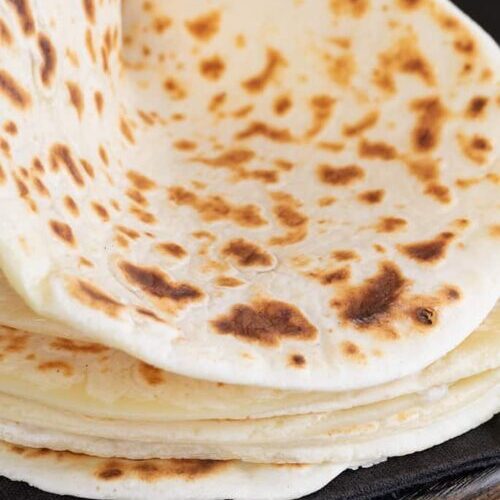
Soft, stretchy wraps are something many people miss when they stop eating wheat. Traditional tortillas and flatbreads depend heavily on gluten to create that elastic texture that allows them to bend without cracking. Fortunately, there is a wonderful grain-free alternative made primarily from tapioca starch and cheese that produces incredibly soft, flexible wraps.
These grain-free soft tapioca wraps are naturally gluten-free and surprisingly easy to prepare. The dough comes together in just a few minutes using a food processor, and the wraps cook quickly in a skillet. The result is a tender flatbread that stays pliable even after cooling, making it ideal for sandwiches, wraps, and quick meals.
This style of wrap is loosely inspired by the famous Brazilian cheese bread known as Pão de Queijo, which also relies on tapioca starch and cheese to create a chewy, stretchy texture. Instead of baking the dough into rolls, however, this recipe rolls the dough thin and cooks it like a flatbread.
Why These Tapioca Wraps Are Special
Many gluten-free wraps become stiff or crumbly once they cool. Tapioca starch behaves differently from most flours. When heated, it develops elasticity and chewiness, which allows the wraps to bend easily without breaking.
These wraps are special because they:
- Stay soft and flexible
- Are naturally gluten-free and grain-free
- Require only simple pantry ingredients
- Can be made ahead and stored
- Work for both savory and light meals
They are strong enough to hold fillings like chicken, vegetables, or hummus without tearing, yet soft enough to fold or roll easily.
Ingredients You’ll Need
The ingredient list is short, but each item plays an important role in creating the perfect texture.
1. Tapioca Starch (Tapioca Flour)
Tapioca starch is the key ingredient. It provides elasticity and chewiness that replaces gluten in this recipe. Without it, the wraps would not have their characteristic stretch.
2. Mozzarella Cheese
Low-moisture mozzarella works best. It melts smoothly into the dough and contributes to the stretchy structure of the wrap.
3. Parmesan Cheese
Parmesan adds a deeper, savory flavor and slightly strengthens the dough.
4. Egg
The egg helps bind the ingredients together and improves the texture.
5. Milk
Milk hydrates the dough and allows it to blend smoothly in the food processor.
6. Oil
A small amount of oil adds softness and prevents the wraps from becoming dry.
7. Salt
Salt enhances flavor and balances the richness of the cheese.
Ingredients List
- 7 oz low-moisture mozzarella cheese, grated
- 2 oz Parmesan cheese, grated
- 1 large egg (room temperature)
- ¼ teaspoon salt
- 3 tablespoons neutral oil (canola or vegetable oil)
- 2½ cups tapioca starch
- ½ to ¾ cup milk
- Extra tapioca flour for dusting
Step-by-Step Instructions
1. Prepare the Dough
Place the mozzarella cheese, Parmesan cheese, egg, salt, oil, and tapioca starch into a food processor.
Add about ¼ cup of the milk and begin processing the mixture. Blend for approximately two minutes until the ingredients begin to combine.
Gradually pour in additional milk while the processor is running. Stop once the dough becomes smooth and thick.
The dough should feel soft and slightly tacky but not sticky or crumbly.
2. Chill the Dough
Remove the dough from the processor and divide it into two equal portions.
Wrap each portion tightly in plastic wrap and place them in the refrigerator for at least 30 minutes.
Chilling the dough helps it firm up and makes rolling the wraps much easier.
3. Divide and Roll
After chilling, place one portion of dough on a lightly floured surface. Dust the surface with tapioca flour to prevent sticking.
Cut the dough into four equal pieces.
Roll each piece into a small ball, then flatten it gently with your hands.
Using a rolling pin, roll the dough into a circle about 6–7 inches in diameter.
If you want perfectly round wraps, you can trim the edges using a bowl or lid as a guide.
4. Cook the Wraps
Heat a cast-iron skillet or non-stick pan over medium heat.
Place one rolled wrap onto the hot skillet.
Cook for about 40–45 seconds until the underside becomes set and lightly golden.
Flip the wrap and cook the other side for another 30 seconds.
Once cooked, remove the wrap from the pan and place it under a clean cloth towel. This keeps it warm and soft while you cook the remaining wraps.
Troubleshooting the Dough
Sometimes dough consistency varies depending on cheese moisture and climate. Here are quick fixes:
If the dough is too dry:
Add a teaspoon of milk and process again until smooth.
If the dough is too wet:
Wrap it tightly and refrigerate longer so it firms up.
If the dough crumbles while rolling:
It needs a bit more moisture.
Storage and Make-Ahead Tips
These wraps are perfect for meal prep.
Refrigerator:
Store cooked wraps in an airtight container for up to one week.
Freezer:
Wrap tightly and freeze for several months.
Reheating:
Warm briefly in a skillet for about 20–30 seconds until soft again.
Ways to Use Tapioca Wraps
Because these wraps are neutral in flavor with a light cheesy note, they pair well with many fillings.
Some popular ideas include:
• turkey slices with basil and hummus
• grilled chicken and shredded cabbage
• scrambled eggs and avocado
• roasted vegetables and garlic sauce
• fresh cucumber, carrots, and hummus
They can also be used as a substitute for tortillas in tacos or burrito-style meals.
Helpful Tips for Success
• Pre-shredded mozzarella often works better because it contains starch that keeps the dough from becoming sticky.
• Keep the wraps covered with a cloth after cooking so they remain soft.
• Sprinkle extra tapioca flour while rolling if the dough sticks.
• Use moderate heat to avoid burning before the wrap sets.
Final Thoughts
These grain-free tapioca wraps prove that gluten-free cooking can still deliver great texture and flexibility. With only a few simple ingredients and a quick cooking process, you can make soft, delicious wraps that work for lunches, snacks, or dinners.
Once you try them, they quickly become a versatile staple in the kitchen. Their stretchiness, mild flavor, and ability to stay soft make them an excellent replacement for traditional wheat tortillas.
