Introduction
Few breakfast dishes are as comforting and satisfying as a plate of perfectly cooked scrambled eggs. While many people are familiar with traditional scrambled eggs that are cooked quickly until firm, soft scrambled eggs offer an entirely different experience. They are delicate, creamy, and incredibly smooth, with a luxurious texture that feels almost custard-like.
The secret to achieving this texture is patience. By cooking the eggs gently over low heat and stirring them continuously, you create small, tender curds that remain moist and flavorful. The result is a simple yet elegant dish that can elevate any breakfast or brunch table.
Whether you’re preparing a quick morning meal, hosting guests for brunch, or looking for a protein-rich option for a light dinner, these creamy soft scrambled eggs are an excellent choice.
Why You’ll Love This Recipe
There are countless reasons to make soft scrambled eggs part of your regular meal rotation:
- Rich, velvety texture
- Simple ingredients found in most kitchens
- Ready in under 15 minutes
- High in protein
- Naturally low in carbohydrates
- Easy to customize with herbs, vegetables, or cheese
- Suitable for beginners and experienced cooks alike
- Perfect for breakfast, brunch, or a quick meal
The beauty of this recipe lies in its simplicity. A few quality ingredients and proper technique are all you need to achieve outstanding results.
Ingredients
For the Scrambled Eggs
- 6 large eggs
- 3 tablespoons whole milk or heavy cream
- 2 tablespoons unsalted butter
- ½ teaspoon salt
- ¼ teaspoon freshly ground black pepper
Optional Toppings and Garnishes
- Fresh chives, finely chopped
- Fresh parsley
- Dill
- Shredded cheddar cheese
- Grated Parmesan cheese
- Sliced avocado
- Smoked salmon
- Extra black pepper
- Toasted bread
Kitchen Equipment
To make this recipe, you’ll need:
- Medium mixing bowl
- Whisk or fork
- Non-stick skillet
- Silicone spatula
- Serving plates
Using a quality non-stick pan helps prevent sticking and allows the eggs to cook evenly.
Understanding Soft Scrambled Eggs
Soft scrambled eggs differ from traditional scrambled eggs in several important ways.
Traditional scrambled eggs are often cooked over medium or high heat and left on the stove until completely set. While this method is fast, it can sometimes produce dry or rubbery eggs.
Soft scrambled eggs are prepared using a gentler approach:
- Lower cooking temperature
- Constant stirring
- Smaller curds
- Higher moisture retention
- Creamier consistency
This cooking method produces eggs that are silky, tender, and far more luxurious.
Selecting the Best Eggs
Fresh eggs make a noticeable difference in both flavor and appearance.
When shopping for eggs, look for:
- Clean, intact shells
- Fresh packaging dates
- Bright, rich yolks
- Refrigerated storage
Higher-quality eggs often have deeper-colored yolks and a richer taste, making them ideal for recipes where eggs are the star ingredient.
Step 1: Prepare and Whisk the Eggs
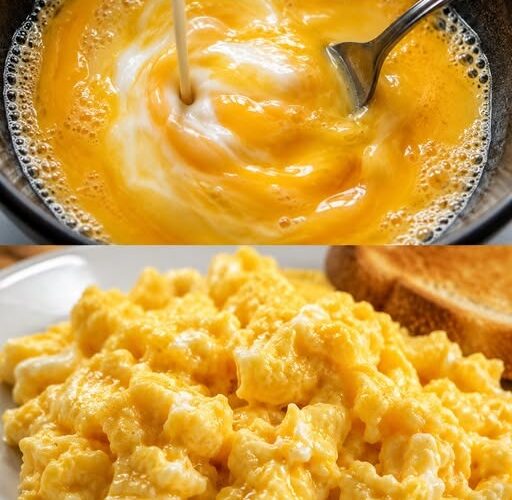
Begin by cracking the six large eggs into a medium mixing bowl. Add the milk or heavy cream, salt, and black pepper. Using a whisk or fork, beat the mixture thoroughly until the yolks and whites are completely combined and the mixture appears smooth and uniform in color. Proper whisking is important because it incorporates a small amount of air into the eggs, helping create a lighter and fluffier texture once cooked. Make sure there are no visible streaks of egg white remaining before moving to the next step.
Step 2: Melt the Butter Over Low Heat
Place a non-stick skillet on the stovetop and set the heat to low. Add the unsalted butter and allow it to melt slowly. Gently swirl the pan so the melted butter coats the entire cooking surface. Avoid letting the butter brown or sizzle aggressively, as excessive heat can negatively affect the final texture of the eggs. The goal is to create a gentle cooking environment that allows the eggs to cook slowly and evenly.
Step 3: Add the Egg Mixture to the Pan
Once the butter has completely melted and the pan is warm, pour the whisked egg mixture into the skillet. Allow the eggs to sit undisturbed for about 15 to 20 seconds. During this time, the bottom layer will begin to set slightly while the top remains liquid. This brief resting period helps start the formation of soft curds and ensures the eggs cook evenly from the beginning.
Step 4: Stir Gently and Continuously
Using a silicone spatula, begin stirring the eggs with slow, gentle motions. Sweep the spatula across the bottom and sides of the skillet, continuously moving the eggs as they cook. As the heat gradually firms the eggs, small and delicate curds will begin to form. Continue stirring steadily without rushing the process. The constant movement prevents large curds from forming and helps maintain the silky, creamy consistency that makes soft scrambled eggs so special. Patience during this stage is essential for achieving restaurant-quality results.
Step 5: Remove the Eggs Before They Fully Set
As the eggs continue cooking, watch them carefully. When they become soft, creamy, and mostly set but still appear slightly glossy, remove the skillet from the heat immediately. The residual heat from the pan will continue cooking the eggs for a short time even after they are removed from the stove. This technique prevents overcooking and helps preserve the rich, velvety texture. Proper timing at this stage is one of the most important secrets to making perfectly creamy scrambled eggs.
Step 6: Serve and Garnish Immediately
Transfer the soft scrambled eggs to warm serving plates as soon as they are ready. Garnish with freshly chopped chives, parsley, dill, grated Parmesan cheese, or any of your favorite toppings. Serve the eggs immediately while they are still hot and creamy. Soft scrambled eggs are at their peak texture moments after cooking, making prompt serving essential for the best possible dining experience. Pair them with toasted bread, avocado slices, fresh fruit, or breakfast meats for a complete and satisfying meal.
Professional Tips for Perfect Results
Cook Low and Slow
High heat is the enemy of creamy eggs.
Slow cooking allows proteins to set gradually, producing a softer texture.
Stir Consistently
Frequent stirring creates smaller curds and prevents overcooking.
Use Real Butter
Butter contributes richness and enhances flavor.
Stop Cooking Early
Always remove eggs before they appear completely done.
Warm the Serving Plates
Warm plates help maintain the ideal texture and temperature.
Common Mistakes to Avoid
Overcooking
The most common mistake.
Even an extra minute on the stove can make eggs dry.
Excessive Heat
High temperatures create large, firm curds rather than delicate folds.
Insufficient Stirring
Without regular stirring, the eggs cook unevenly.
Too Much Dairy
A small amount of cream improves texture, but too much can dilute the flavor.
Waiting Too Long to Serve
Soft scrambled eggs lose their ideal texture if left sitting.
Nutrition Benefits
Eggs are among the most nutrient-dense foods available.
They provide:
- Complete protein
- Vitamin D
- Vitamin B12
- Selenium
- Choline
- Healthy fats
- Essential amino acids
Because eggs are highly satisfying, they can help keep you full throughout the morning.
Approximate Nutrition Information
Per serving:
- Calories: 220
- Protein: 15g
- Fat: 17g
- Carbohydrates: 2g
- Fiber: 0g
- Sugar: 1g
Values may vary depending on ingredients and serving size.
Delicious Variations
Cheesy Scrambled Eggs
Add:
- ½ cup shredded cheddar
- ¼ cup Parmesan cheese
Stir into the eggs during the final minute of cooking.
Herb Scrambled Eggs
Mix in:
- Chives
- Parsley
- Dill
Fresh herbs provide brightness and color.
Garlic Butter Version
Cook one minced garlic clove in butter before adding the eggs.
Cream Cheese Eggs
Blend in 2 tablespoons of cream cheese for extra richness.
Smoked Salmon Scramble
Top finished eggs with smoked salmon and fresh dill for an elegant brunch option.
Serving Suggestions
Traditional Breakfast
Serve with:
- Toast
- Fresh fruit
- Coffee or tea
Brunch Spread
Pair with:
- Roasted potatoes
- Bacon
- Mixed greens
Health-Focused Meal
Serve alongside:
- Avocado slices
- Tomatoes
- Whole-grain toast
Gourmet Breakfast
Top with:
- Smoked salmon
- Crème fraîche
- Fresh herbs
Best Bread Pairings
Creamy scrambled eggs pair beautifully with:
- Sourdough toast
- Brioche
- English muffins
- Croissants
- Bagels
- Rustic artisan bread
The bread helps soak up every bit of creamy goodness.
Storage and Reheating
Although soft scrambled eggs are best enjoyed fresh, leftovers can be stored if necessary.
Storage
- Cool promptly
- Refrigerate within 2 hours
- Store in an airtight container
- Use within 2 days
Reheating
Warm gently over low heat.
Add:
- A small piece of butter
- A splash of milk
Stir continuously until heated through.
Avoid prolonged microwave heating, which can make the eggs tough.
Frequently Asked Questions
Can I use milk instead of cream?
Yes. Milk produces lighter eggs, while cream creates a richer texture.
Why are my eggs rubbery?
They were likely cooked at too high a temperature or left on the heat too long.
Can I make this recipe dairy-free?
Absolutely. Substitute dairy-free butter and your preferred plant-based milk.
Which pan is best?
A quality non-stick skillet offers the easiest cooking experience.
Should eggs be room temperature?
Room-temperature eggs cook slightly more evenly, but refrigerated eggs work well too.
Can vegetables be added?
Yes. Cook vegetables first and then add the eggs. Popular choices include spinach, mushrooms, bell peppers, and tomatoes.
Final Thoughts
Creamy soft scrambled eggs demonstrate how a simple ingredient can become extraordinary when prepared with care. The combination of low heat, constant stirring, and proper timing creates a breakfast that is rich, silky, and deeply satisfying.
Once you master this technique, you’ll discover that restaurant-quality scrambled eggs are surprisingly easy to make at home. Whether served with toast, fresh herbs, cheese, or smoked salmon, these luxurious eggs are sure to become a favorite addition to your breakfast menu.
Prep Time: 5 minutes
Cook Time: 8 minutes
Total Time: 13 minutes
Servings: 2–3
Difficulty: Easy
Cuisine: American Breakfast
